
B2B marketplace development
Company accounts with buyer roles, negotiated or tiered pricing, approval steps, quotes, invoicing, and payment terms for repeat trade between businesses.
Listings are the easy part. We design and build the rules underneath: who can do what, how buyers and sellers are matched, how money is split and paid out, and what happens when an order goes wrong.
Every marketplace has at least three sides: the buyer, the seller, and you as the operator. Each needs a different view of the same order, and each can break the business if the rules are wrong.
We build B2B marketplaces, multi-vendor commerce, service and booking marketplaces, and rental platforms. The transaction model comes first because it decides the architecture. The catalog and the interface follow from it.
Each model has different rules for pricing, payment, and fulfilment. We start from yours instead of a generic template.
Company accounts with buyer roles, negotiated or tiered pricing, approval steps, quotes, invoicing, and payment terms for repeat trade between businesses.
Seller onboarding, per-vendor catalogs and stock, carts that split into vendor orders, commissions, and scheduled payouts to each seller.
Provider profiles, availability, quotes or instant booking, and matching rules that connect customers with the right professional, followed by reviews.
Both sides onboarded and one paid transaction working end to end. Manual operations can sit behind the MVP until volume shows what to automate.
Users, organisations, listings, orders, and payouts modelled so that B2B accounts, multi-vendor carts, and bookings can run on one backend as the marketplace grows.
Commissions, split payments, subscriptions, deposits, refunds, and seller payouts through Stripe Connect or another provider that supports marketplace payouts in your markets.
Search, filters, availability, and matching rules that help each side find the right counterpart quickly.
Vendor onboarding and verification, catalog moderation, and separate permissions for buyers, sellers, operators, and support staff on the same transaction.
Reviews, disputes, refunds, and an admin panel your operations team can work in every day.
Listing drafts and categorisation, smarter search ranking, duplicate and fraud flags, and support triage, added where they remove operator work.
Launch the smallest version that can take a paid order, then grow it based on what buyers and sellers do.
Map the sides of the market, the transaction, and how the platform makes money.
Outcome Transaction model and MVP scope
Design each role’s journey and the backend that enforces the rules.
Outcome Clickable prototype and architecture
Listings, matching, checkout, payouts, and the admin tools needed to operate.
Outcome A marketplace that takes paid orders
QA, payment testing, monitoring, and a controlled rollout.
Outcome A live platform
Mobile apps, new categories, integrations, and automation.
Outcome A roadmap driven by usage
Ready-made marketplace software is a sensible way to test demand. Custom development pays off when your rules are the product.
| Consideration | Off-the-shelf marketplace software | Custom marketplace |
|---|---|---|
| First launch | Fast, if your model fits the template | Scoped to an MVP, then extended |
| Transaction rules | Limited to what the platform supports | Built around your pricing, approvals, and payouts |
| Ongoing cost | Recurring license or per-transaction fees | You own the code and pay for hosting and development |
| Integrations | Plugins and whatever the vendor exposes | Direct integrations with your ERP, CRM, and payment providers |
| Best for | Validating a standard model | A model that is your competitive advantage |
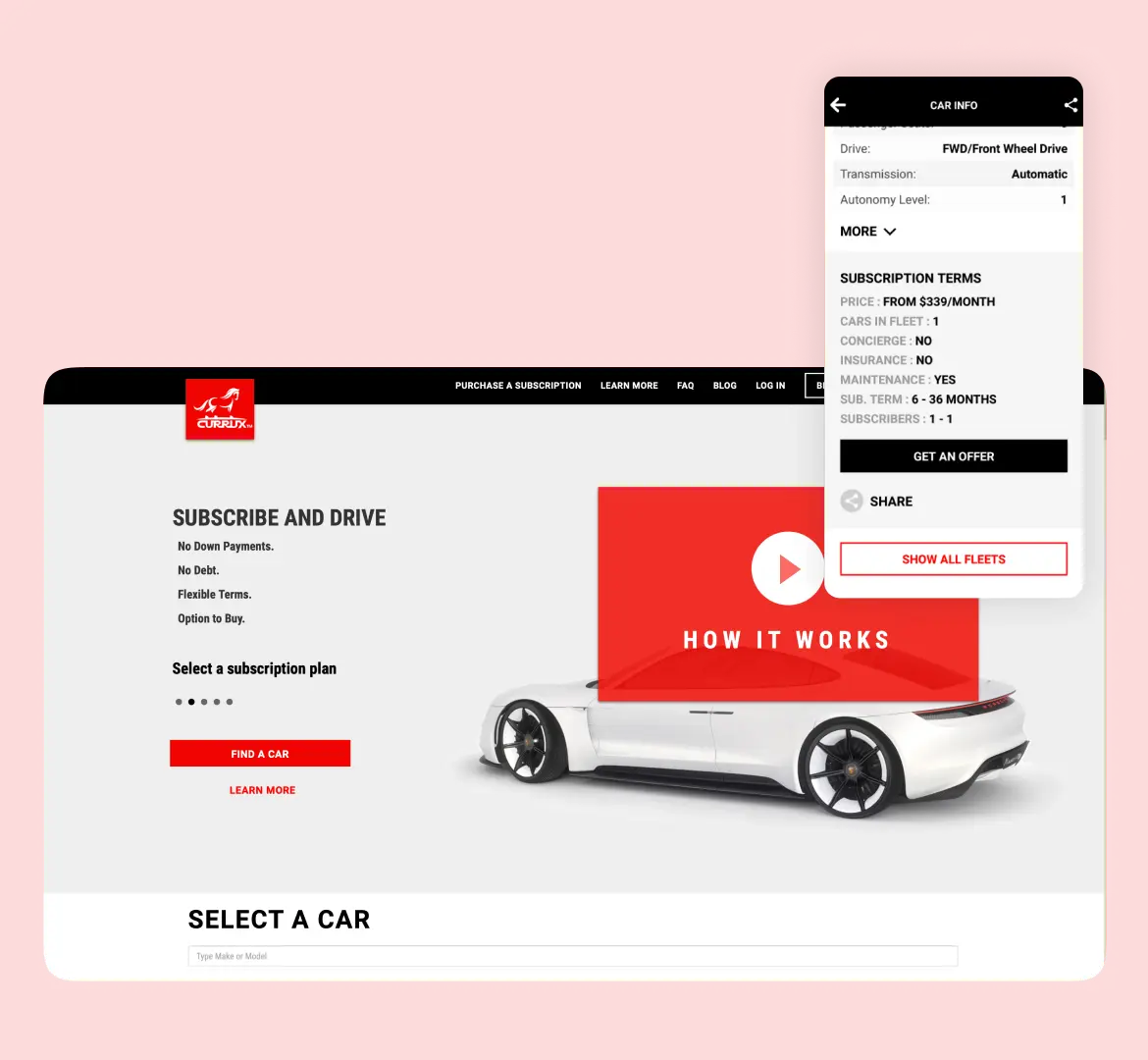
From a simple request website to an app that rents a car in minutes.
Minutes to rent a car from the mobile app
Read the case study →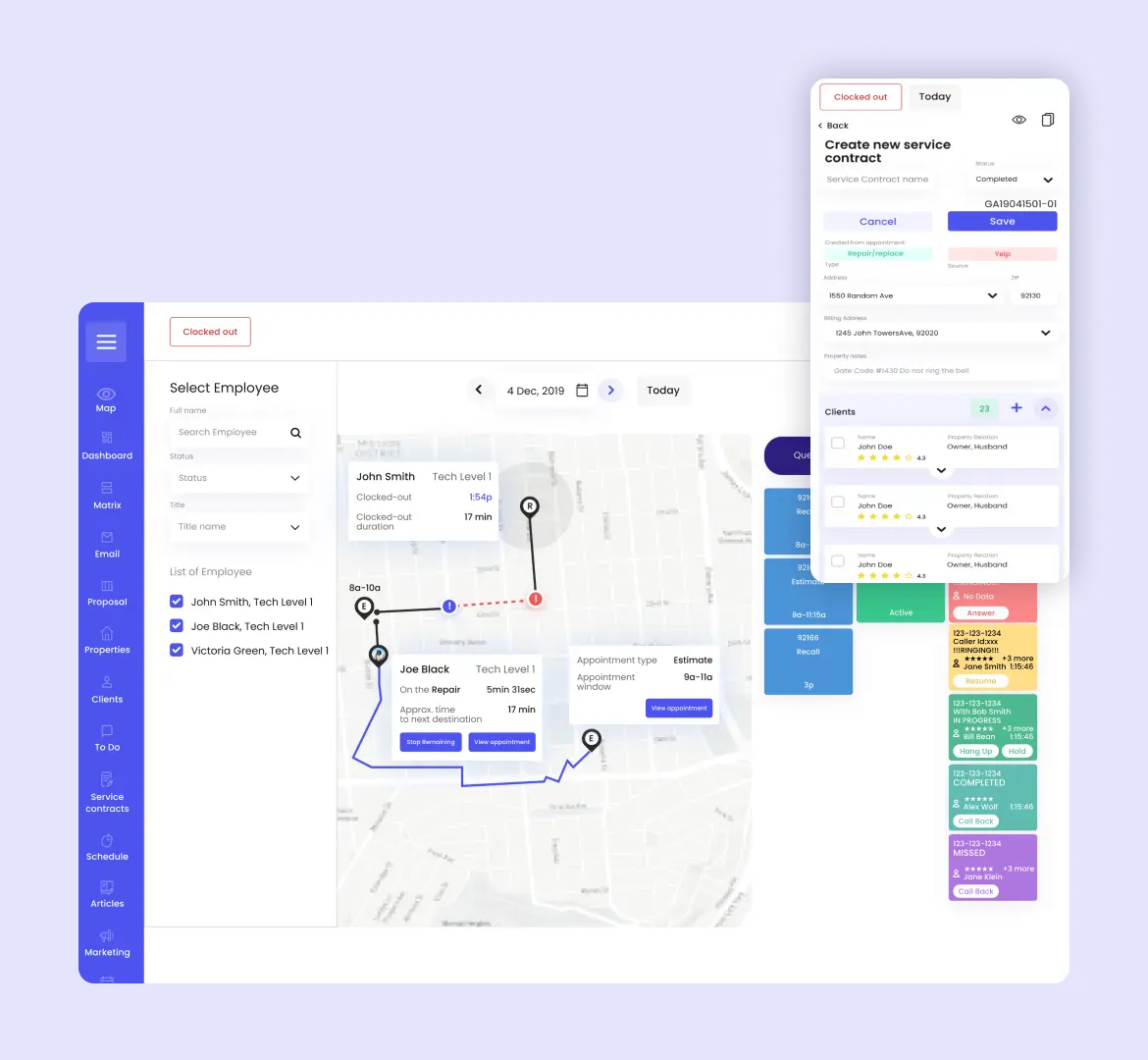
The whole working day in one platform, with the tools the team already used built in.
~300 daily users on the platform
Read the case study →Yes. The engagement covers the transaction, matching, payment, payout, and operational workflows those products depend on, on web and mobile.
Yes. We can take an early marketplace to production, or take over one that is already in use and hard to extend.
Enough to complete one transaction end to end: onboarding for both sides, listings or profiles, search or matching, checkout, payouts, and a basic admin panel. Reviews, advanced search, and mobile apps can follow.
We integrate a payment provider that supports split payments and seller payouts, then build commissions, refunds, and reporting on top. The right provider depends on your markets and business model.