
One delivery unit
Analysis, design, frontend, backend, mobile, QA, and DevOps plan and ship against the same milestones.
A cross-functional team with product leadership, engineers, QA, DevOps, and design, all working toward the same milestones. You set the priorities. The team plans, builds, tests, and releases.
Extra people help only when someone owns the scope, the architecture, and the order of work. Without that, you end up managing developers yourself and becoming the bottleneck.
A product engineering team takes over that job. It agrees with you on what to build next, then builds, tests, and releases it, and reports on what happened. If you only need one or two specialists, the dedicated team model still exists, and we will tell you plainly which one fits.
Analysis, design, frontend, backend, mobile, QA, and DevOps plan and ship against the same milestones.
Architecture and risky technical decisions are reviewed by experienced technical leadership before they reach production.
Regular demos, a shared backlog, and direct access to the engineers keep priorities clear and progress easy to check.
The team grows or shrinks with the roadmap. If you need a single specialist, the dedicated team model covers that.
Start small, prove the working rhythm, then scale.
Your product, roadmap, current team, and the roles that are missing.
Outcome A proposed team shape
Access, a codebase walkthrough, and an agreed definition of done.
Outcome A shared backlog and working rhythm
One roadmap item, shipped end to end.
Outcome A demo and a release
Planning, build, test, and release on a regular cadence.
Outcome Predictable releases
Add or remove roles as the roadmap changes.
Outcome A team sized to the work
Staff augmentation works when you already have strong engineering leadership. A product team brings that leadership with it.
| Question | Staff augmentation | Product engineering team |
|---|---|---|
| What you get | Individual developers added to your team | A cross-functional team with its own technical leadership |
| Who manages the work | You do | The team does, with you setting priorities |
| Accountable for | Hours and tasks | Releases and outcomes |
| QA, DevOps, design | Sourced separately | Part of the team |
| Best for | Filling a skill gap in a strong in-house team | Shipping a product without building a full department |
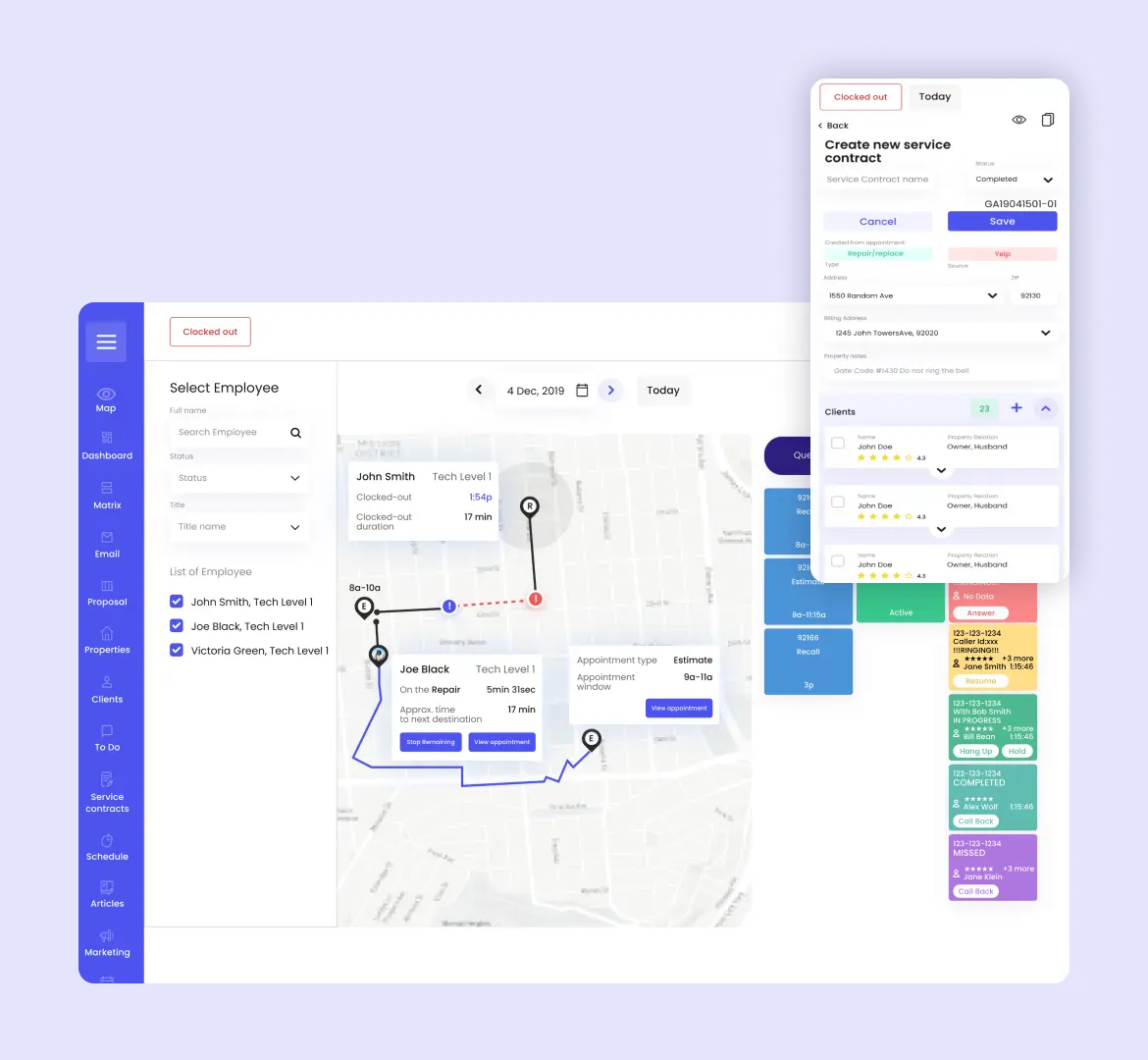
The whole working day in one platform, with the tools the team already used built in.
~300 daily users on the platform
Read the case study →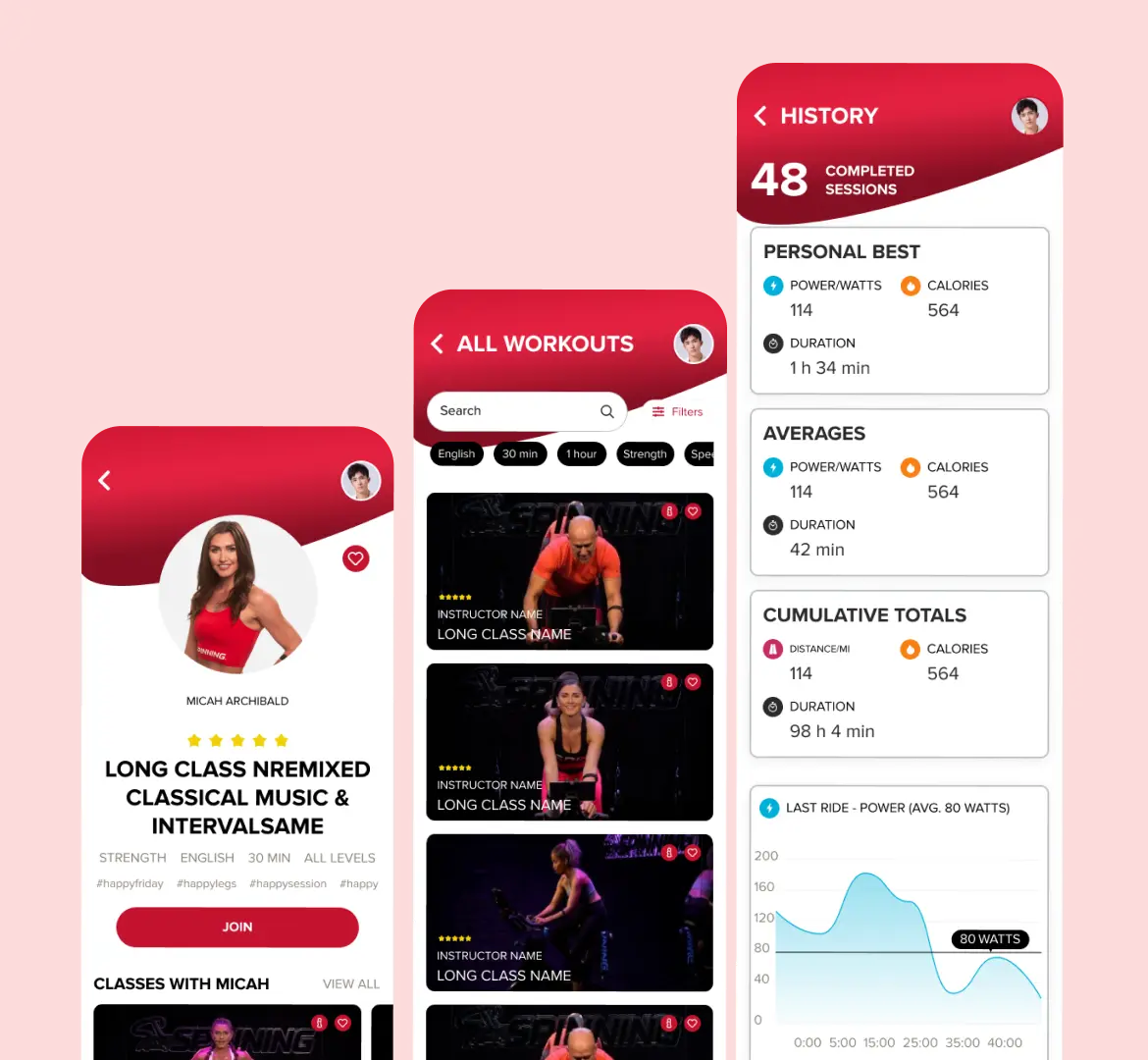
Studio classes, delivered on demand to subscribers on iOS and Android.
2 mobile platforms: iOS and Android
Read the case study →Yes. We can provide individual specialists, and for product development we recommend a cross-functional team that owns delivery.
Staff augmentation fills seats that you manage. A product engineering team owns the outcome: scope, build, test, and release.
Usually product or delivery leadership, frontend and backend engineers, mobile engineers when needed, QA, DevOps, a designer, and a technical lead. The exact mix depends on your roadmap.
Yes. The team can own a separate product area or work in the same codebase as your engineers, with shared code reviews and releases.