
Cardholder app for a payments company
Card freeze, spending limits, a push alert for every authorization and a dispute flow, built on the issuing platform’s APIs so card numbers stay with the processor and never reach your servers.
Join.To.IT takes on app development in Atlanta for companies whose apps sit on top of payment processors, warehouse systems or clinical records. We agree on the data flows first and design the screens second. Native or cross-platform depends on what the app has to do on the device.
Most Atlanta app projects we scope are not hard because of the screens. They are hard because of what sits behind them. A wallet app depends on a card processor’s API and its certification rules. A driver app has to talk to a TMS that was configured years ago. A patient app needs scheduling data out of an EHR that hospital IT guards carefully, and for good reason. The metro runs on systems like these, owned by payments firms, freight operators around Hartsfield-Jackson and the health systems near Emory.
So we start with the integrations. In the first weeks we read the API docs, request sandbox access and push one real transaction, shipment or appointment through a thin test build. Only then do we commit to a design and a schedule. It costs a little time up front. It also means the estimate you sign reflects what the processor or EHR vendor will actually allow, and a missing endpoint shows up in week two instead of month four.
Card freeze, spending limits, a push alert for every authorization and a dispute flow, built on the issuing platform’s APIs so card numbers stay with the processor and never reach your servers.
Gate check-in for trailers, dock door assignments and photo damage reports. Everything is stored on the phone where the signal drops and synced to the TMS once the device reconnects.
Daily call sheets, location maps, schedule changes pushed to every crew member and sign-off on safety briefings. A coordinator can rewrite the day’s plan from a phone on set.
Each package is fixed-price and agreed after discovery, so the number does not drift while we build. Smaller changes and ongoing work after launch run at $25–50 per hour.
| Package | Proof of concept | MVP | Market ready | Enterprise |
|---|---|---|---|---|
| Price | From $2,400 | From $9,600 | From $24,000 | From $48,000 |
| Typical timeline | 2–4 weeks | 2–4 months | 4–7 months | 7+ months |
| What Atlanta teams usually order | A clickable wallet or driver-app prototype plus one live call to your processor or TMS sandbox | A first store release for one user group, such as drivers or patients, with one core integration | A cardholder or patient app on both stores with payments, push alerts, an admin panel and analytics | Several apps on one backend, for example driver, dispatcher and customer, with SSO and audit logs |
Our engineers are online during U.S. business hours, so your product owner gets answers the same day and releases go out while your processor’s or EHR vendor’s support desk is still open. Every sprint ends with a TestFlight and Google Play test build your team installs on their own phones.
Our U.S. operations are facilitated through Orcatec LLC, our trusted American business partner, enabling seamless collaboration with clients across the United States.
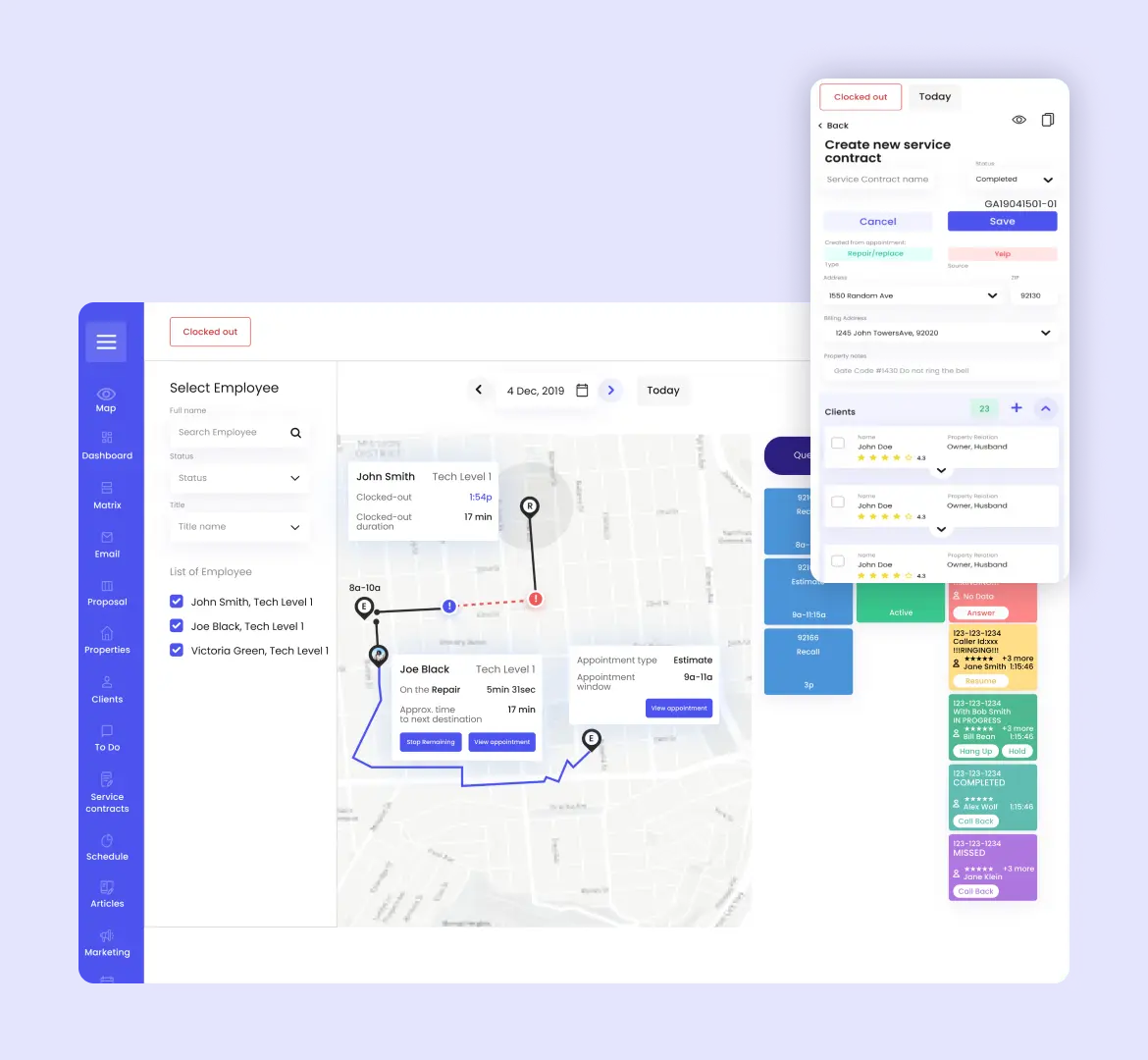
The whole working day in one platform, with the tools the team already used built in.
~300 daily users on the platform
Read the case study →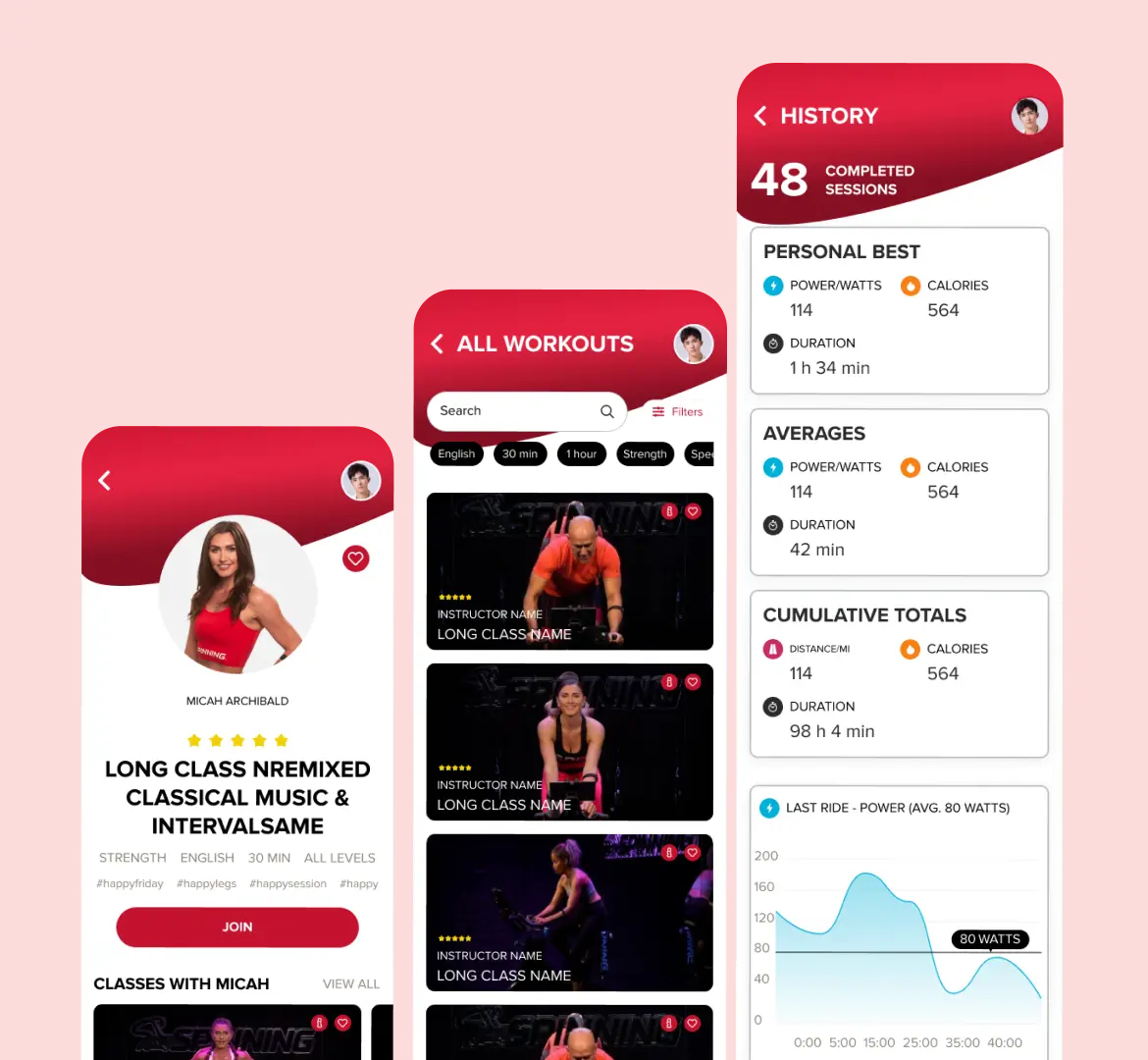
Studio classes, delivered on demand to subscribers on iOS and Android.
2 mobile platforms: iOS and Android
Read the case study →We keep card numbers out of your app and your servers. The app talks to your issuing or processing platform through its SDK and tokens, so the provider stays responsible for card data. We add device binding, biometric login and audit logs, then follow whatever security review your processor or sponsor bank requires before launch.
Yes. Stops, scans, photos and signatures are saved on the phone first and sent in order once the connection returns. We test this by switching devices to airplane mode in the middle of a route. Conflicts, such as a dispatcher changing a stop the driver already closed, follow rules we agree with your operations team.
We design the app for HIPAA: encrypted storage and transport, as little health data on the device as possible, session timeouts, access logs and hosting under a BAA. Your compliance team or counsel signs off on the final setup; we do not certify it. Scheduling and records usually come from your EHR, so we confirm API access during discovery.
Yes. For Spinning, an indoor-cycling training company, we worked on the app that brings classes filmed by master instructors in Los Angeles to subscribers. For a media company the same kind of work means video playback, in-app subscriptions on both stores and a content admin your editors can use without a developer.
Mostly the integrations. A payment processor, a TMS or an EHR each adds sandbox time, testing and sometimes a certification step. Offline sync and a second user role add more. A proof of concept starts at $2,400 and an MVP at $9,600. A market-ready app starts at $24,000, and enterprise work with several apps on one backend at $48,000.