
Seed-stage B2B SaaS MVP
Sign-up, teams and roles, one core workflow done well, Stripe billing and an admin view for the founders. Built multi-tenant from the first commit so the second customer does not force a rewrite.
We do custom software development in Austin for startups that need a product before the next round and for companies whose small engineering team is already fully booked. Our engineers work with Austin clients remotely and hand over code your own hires can maintain.
A lot of Austin software work starts with a founder, a deck and a deadline. UT Austin and the large tech employers around the city turn out plenty of people who go on to start companies, and SXSW brings investors to town every March. Hiring senior engineers here is slow and expensive, though, and a seed round does not stretch far. So the first question we ask is what the product has to prove before the next raise, and what can wait.
The other kind of Austin client is a company past the startup stage, with five or ten engineers who are all busy on the core product. They need an internal platform, a billing rebuild or an integration nobody has time for. We take that on as a separate project with its own scope, work inside your repositories and review process, and write documentation as we go so your team can run it after we step back.
Sign-up, teams and roles, one core workflow done well, Stripe billing and an admin view for the founders. Built multi-tenant from the first commit so the second customer does not force a rewrite.
Live and recorded lessons, assignments graded by instructors, cohort calendars and payments for an ed-tech startup selling to professionals, plus an instructor dashboard that shows who has fallen behind.
Patient intake forms, insurance details, provider calendars and a video visit link, designed for HIPAA. Clinic staff get an admin side where they manage availability and follow up on no-shows.
Packages are fixed-price, so a founder knows the spend before signing. Ongoing work after launch, or extra engineers next to your team, runs at $25–50 per hour.
| Package | Proof of concept | MVP | Market ready | Enterprise |
|---|---|---|---|---|
| Price | From $2,400 | From $9,600 | From $28,800 | From $57,600 |
| Typical timeline | 2–4 weeks | 2–4 months | 4–8 months | 8+ months |
| Typical Austin use | A working prototype of the core workflow to show investors or a pilot customer | The first paid version: accounts, one workflow, Stripe billing and an admin panel | A SaaS product with team roles, integrations, analytics and AI features, ready for wider sales | A platform for several customer segments, with SSO, audit logs and a handover to your engineers |
We keep U.S. business hours, so standups and demos land inside your normal Central-time day. From the first week we work in your Slack and GitHub, and we time releases around the dates that matter to you, such as a board meeting or a pilot with a key customer.
Our U.S. operations are facilitated through Orcatec LLC, our trusted American business partner, enabling seamless collaboration with clients across the United States.
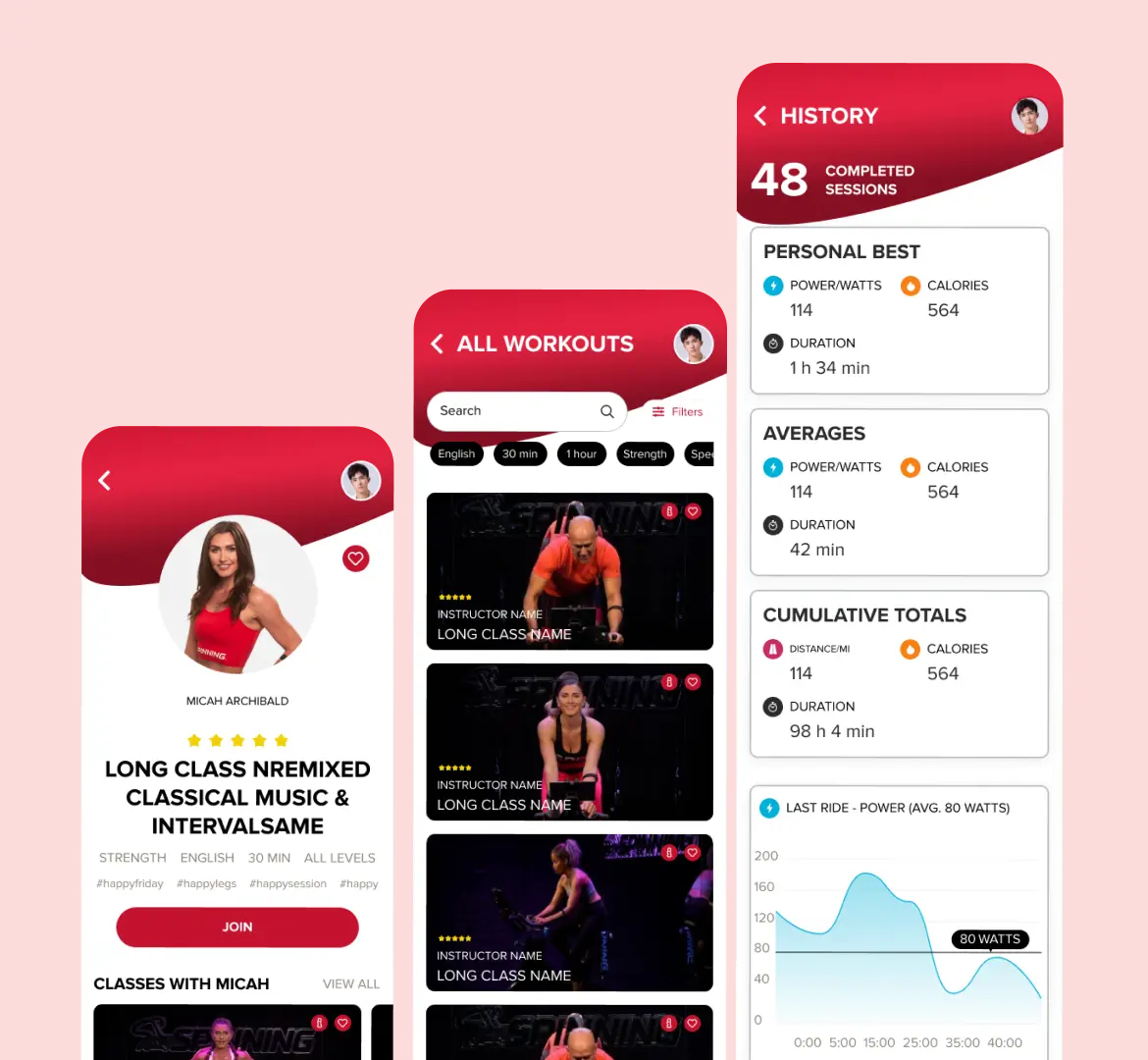
Studio classes, delivered on demand to subscribers on iOS and Android.
2 mobile platforms: iOS and Android
Read the case study →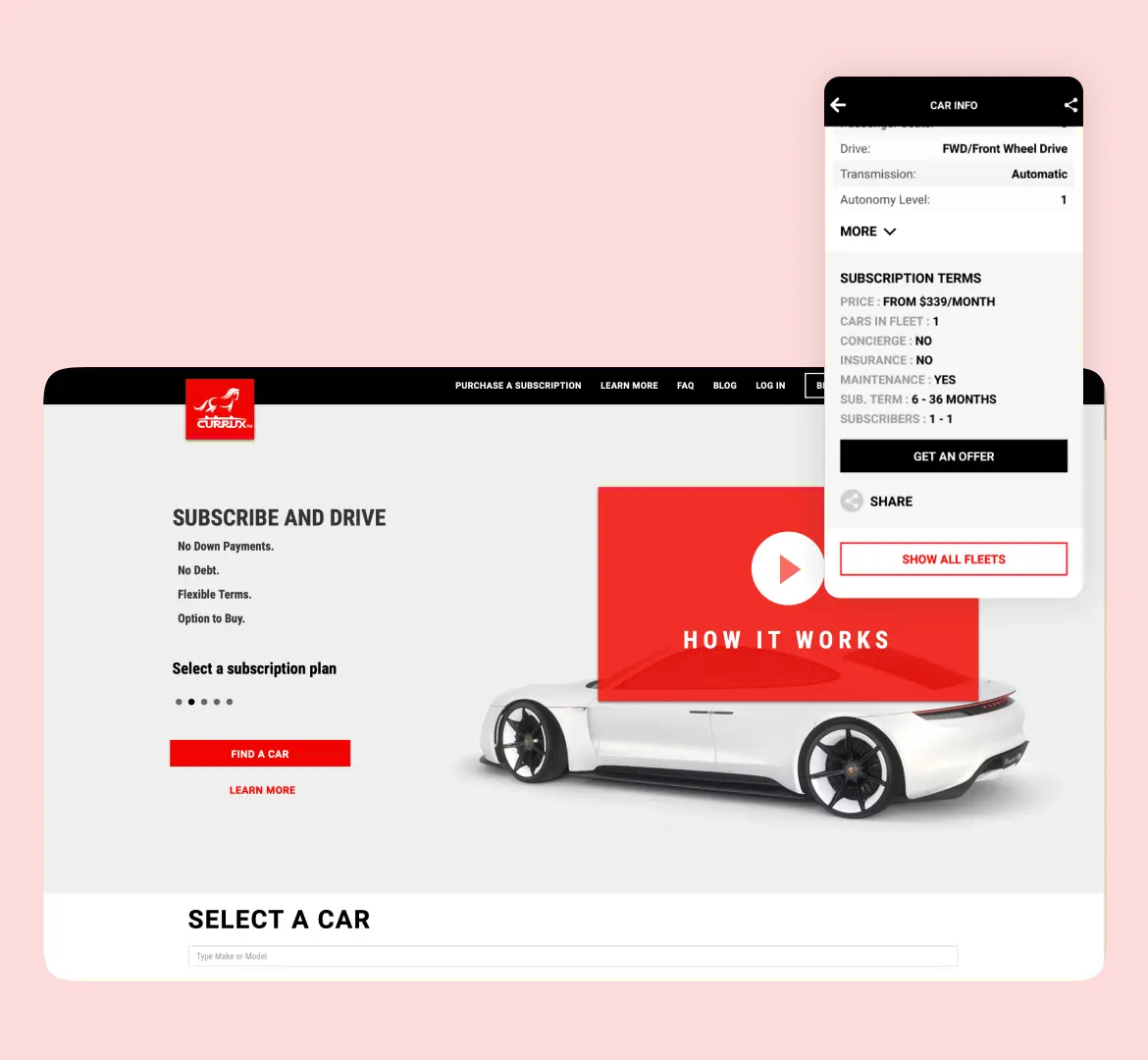
From a simple request website to an app that rents a car in minutes.
Minutes to rent a car from the mobile app
Read the case study →Enough for a customer to pay and come back. Usually that means sign-up, one core workflow, Stripe billing and basic analytics so you can show usage to investors. We build it multi-tenant from the start, because adding tenant separation after the first customers are live is a painful and expensive rewrite.
Yes. We usually take one clear piece, such as an admin platform, a billing module or an integration, and own it inside your repositories. We follow your code style and pull-request reviews, join your standups and document as we go, so your engineers can take over without a long handover.
We start with a narrow task, like summarizing documents or answering questions over a customer’s own data, and check answers against real examples before launch. Then we add guardrails, logging, per-customer cost limits and a fallback for when the model is slow. Usage costs appear in your admin panel, so pricing decisions rest on real numbers.
Yes. For Spinning, an indoor-cycling training company, we worked on the app through which subscribers take classes filmed by master instructors in Los Angeles. We also built Currux, a car rental and subscription marketplace. In both, recurring billing and plan changes had to work correctly every month.
The number of user roles, integrations and AI features drives most of the cost. A proof of concept starts at $2,400 and an MVP at $9,600. A market-ready SaaS product starts at $28,800, and an enterprise platform at $57,600. Each package is fixed-price once discovery is done.