Web Development · Indianapolis, IN

Web Development in Indianapolis

As a web development company, we mostly build portals and internal web applications for Indianapolis businesses: a place where agents quote policies, dealers reorder parts, or carriers check loads. We build them with Indianapolis clients remotely, connect them to the systems you already run, and leave behind code your own developers can extend.

  • Dealer and distributor portals with account-specific pricing
  • Agent and policyholder portals tied to your policy system
  • Shipment tracking web apps for warehouses along the interstate corridors
How we start Web Development for Indianapolis
  1. 01 Discovery call
  2. 02 Scope and estimate
  3. 03 Design and prototype
  4. 04 Build and test
  5. 05 Launch and growth

Why Indianapolis buyers ask for portals first

Indianapolis runs on insurance, distribution and manufacturing, and most of those businesses sell through other businesses. Independent agents, dealers, brokers and freight carriers all need answers from you every day: a quote status, a price, a delivery window. When that traffic still goes through phone calls and spreadsheets, a web portal pays for itself in hours saved at the service desk.

Hospital systems and physician groups around the city have a similar problem from a different angle. Patients, referring practices and billing staff all want the same information, and each group currently asks someone on the phone. We start every Indianapolis project by mapping who logs in, what each role is allowed to see, and which back-end system holds the truth. Design and code come after that map is agreed.

Typical web development projects in Indianapolis

01

Dealer ordering portal for a manufacturer

Dealers sign in, see their own price lists and credit limits, reorder parts from past orders and download warranty paperwork. Orders flow straight into the ERP, so inside sales stops keying faxes and emails by hand.
02

Independent agent portal for a regional insurer

Agents start a quote, upload loss runs, track underwriting questions and see commission statements in one place. Underwriters get a queue with every submission and its documents, instead of a shared inbox nobody fully trusts.

03

Carrier and customer tracking for a distribution center

Customers follow their orders from pick to delivery, carriers book dock appointments, and the warehouse team sees the day’s inbound and outbound loads on a single board that updates from the WMS.

What a web portal costs in Indianapolis

Every package below has a fixed price agreed after a short discovery, so procurement sees one number and a clear scope. Support after launch is quoted on its own once the portal is live.

Package Proof of concept MVP Market ready Enterprise
Price From $1,200 From $4,800 From $14,400 From $33,600
Typical timeline 1–3 weeks 1–3 months 3–6 months 6+ months
Typical Indianapolis scope A clickable portal for one user group, used to confirm the workflow with a few friendly dealers or agents A first live portal with logins, roles, one main workflow and a sync with your ERP or policy system A portal for agents, dealers and staff with reporting, document storage and several integrations A multi-brand platform with SSO, audit history, detailed permissions and a handover to your IT group

Technologies

  • React, Vue, Next.js, Nuxt
  • Node.js, Laravel, Python
  • PostgreSQL, MySQL
  • AWS, Google Cloud, Vercel
  • Stripe, PayPal
  • Shopify and headless commerce
Collaboration

Working with Indianapolis teams

Indianapolis sits on Eastern time, and we keep U.S. business hours, so a morning standup and an afternoon demo both fit your workday. We plan releases around your quiet weeks, for example away from quarter-end renewals or the busiest shipping season, and we work inside your Teams or Slack and your code repository.

Our U.S. operations are facilitated through Orcatec LLC, our trusted American business partner, enabling seamless collaboration with clients across the United States.

Frequently asked questions

Can a web portal pull live data from our ERP or policy administration system?

Usually yes. We connect through the system’s API when it has one, and through scheduled file exchange or a database view when it does not. The portal shows what the source system says, and writes back only the actions you approve, such as a new order or an uploaded document, so the system of record stays clean.

How do you work with an Indianapolis company without being on site?

We work remotely, in your time zone, through video calls, a shared board and short written updates. Discovery is a few focused workshops with the people who will actually use the portal. If a walkthrough of the warehouse floor or service desk helps, you can show it to us on a call, and we record the decisions in writing.

Our dealers have very different pricing. Can the portal handle that?

Yes. Prices, discounts and credit terms come from your ERP per account, and the portal shows each dealer only their own terms. Sales reps can see all of their accounts and place orders on a dealer’s behalf.

What drives the cost of a web application for our business?

The number of user roles, the number of systems we connect to and how much reporting you need. A portal for one group with one integration fits a smaller package, while several groups with SSO and audit history need a larger one. Each package has a fixed price, set after discovery, and the table on this page shows where each one starts.

Have you built anything similar to what we need?

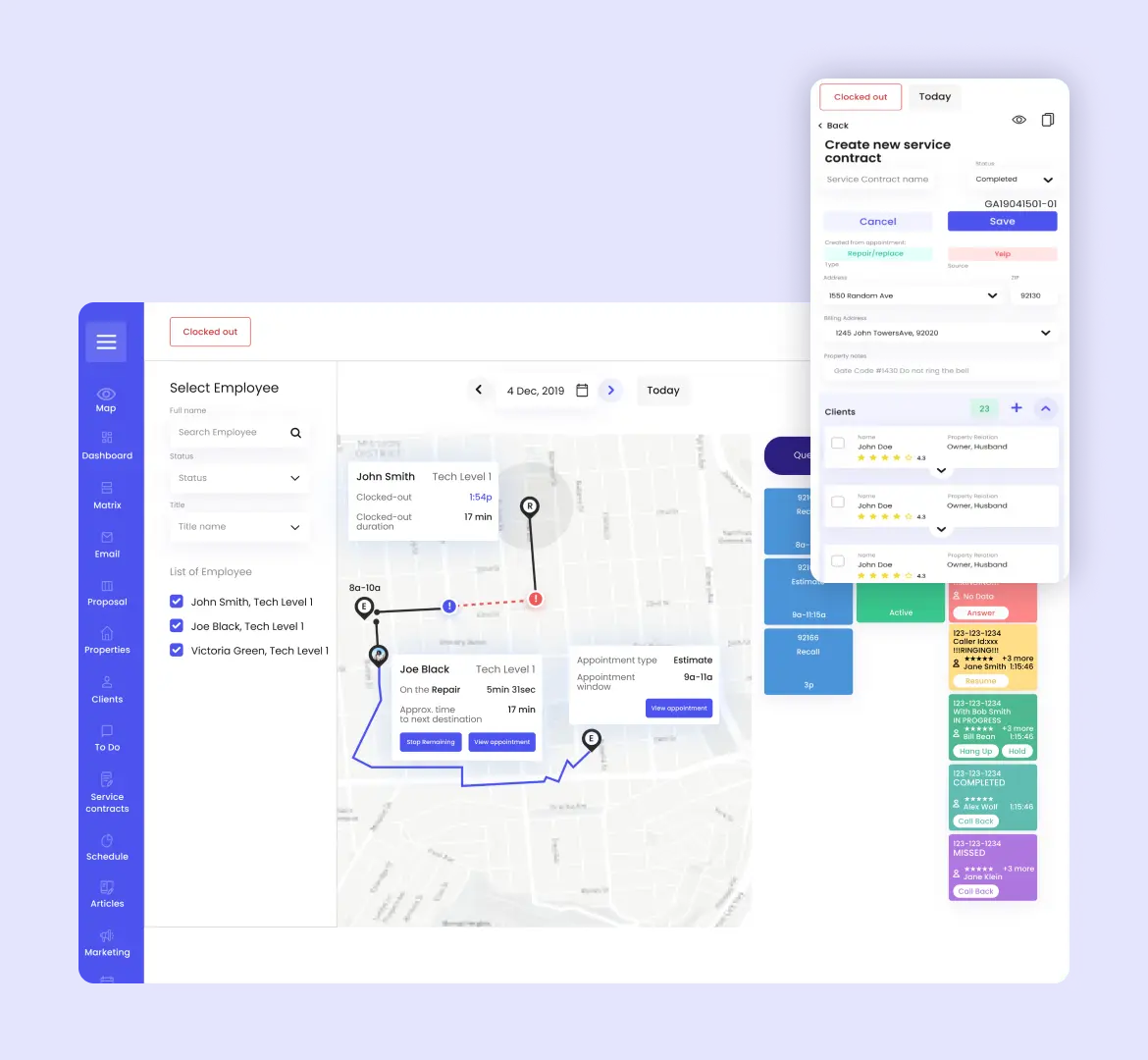
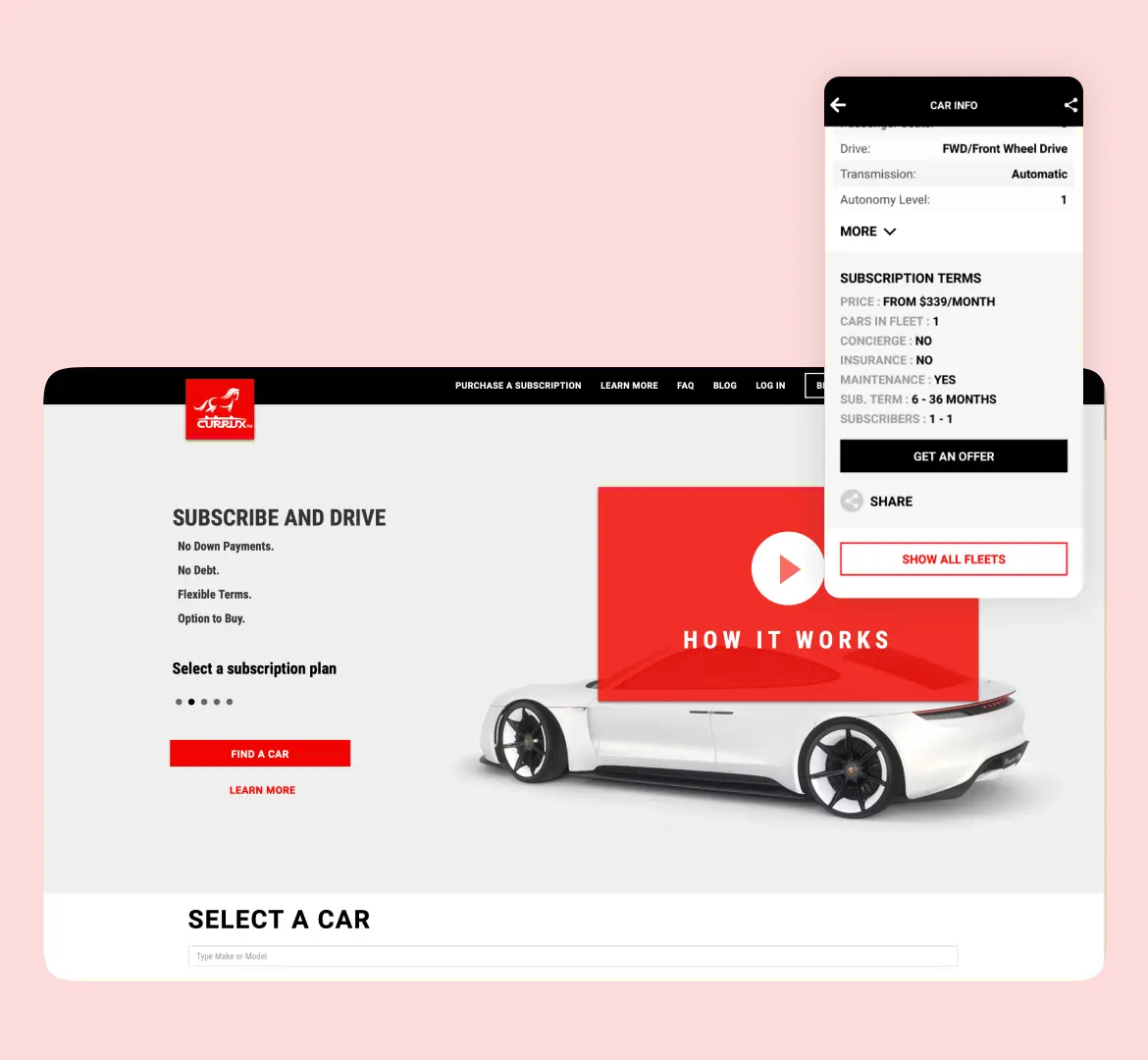
For Orcatec we built an all-in-one field service platform with a web app and a mobile app, connected to many tools the business already used, so field teams stopped switching between apps. For Currux we started with a website showing a list of cars and a request form, then extended it into a mobile app for renting a car in minutes.

Show us the spreadsheet you want to retire

A short note about the process, the people involved and the system behind it is a good start. We turn that into a scope you can take to your budget owner.

What happens next

  1. 1
    Tell us where you are

    Describe the product, what exists today, and what it needs to do next. Ask for an NDA on the form if you want one first.

  2. 2
    Hear back from us

    We come back with questions or a suggested next step, and talk it through on a call if that helps.

  3. 3
    Agree on the first step

    An engagement model, and what we need to give you a reliable estimate.

No obligation. NDA available.