Custom Software Development · Kansas City, MO

Custom Software Development in Kansas City

Kansas City companies bring us custom software development work when packaged tools stop fitting the way they move freight, process payments or settle claims. We build the dispatch boards, billing engines and internal platforms that run the business, working with Kansas City clients remotely and handing over code your team owns outright.

  • Dispatch and load-tracking software for carriers and brokers
  • Payment, invoicing and reconciliation tools with clean audit trails
  • Project and resource platforms for engineering firms
How we start Custom Software Development for Kansas City
  1. 01 Discovery call
  2. 02 Scope and architecture
  3. 03 MVP build
  4. 04 Integrations and QA
  5. 05 Launch and growth

What Kansas City businesses ask us to build

Kansas City sits where rail lines, interstates and intermodal yards meet, and freight is part of the local economy on both sides of the state line. Carriers, brokers and warehouse operators here often run on a TMS that covers most of the job and a pile of spreadsheets that cover the rest. That gap is where custom software earns its keep: a dispatch board shaped around your lanes, or an integration that ends the double entry between systems.

Payments, insurance and professional services form the other big cluster. Card processors, billing startups and insurers in the Crossroads, downtown and out in Overland Park need tools that move money or claims correctly and leave a record behind. Architecture and engineering firms need project and resource software that generic tools never quite match. With all of them, we begin by writing down the rules the software must enforce, then agree what the first release should cover.

Typical custom software development projects in Kansas City

01

Dispatch platform for a regional carrier

Dispatchers assign loads, drivers update status and upload bills of lading from the cab, and customers see ETAs without calling. Rates and accessorials come from one place, so invoicing no longer waits on paperwork.
02

Merchant billing and reconciliation tool

A payments company matches settlements to invoices automatically, flags exceptions for review and gives merchants a self-service view of fees and payouts. Every adjustment carries a user, a reason and a timestamp.

03

Project delivery system for an engineering firm

Project managers plan phases, assign staff by discipline and track hours against budgets, while principals see utilization and margin across all active projects. Data syncs with the accounting package the firm already runs.

Custom software pricing in Kansas City

We quote fixed prices per package once the scope is settled, so your CFO approves a known figure rather than an open-ended estimate. Maintenance and later phases are scoped as separate agreements.

Package Proof of concept MVP Market ready Enterprise
Price From $2,400 From $9,600 From $28,800 From $57,600
Typical timeline 2–4 weeks 2–4 months 4–8 months 8+ months
Kansas City example A proof of concept that tests one risky part, such as a rating rule or an integration with your TMS An MVP that replaces one spreadsheet process end to end, with roles, history and reports A market-ready internal platform covering several departments, connected to accounting and partner systems An enterprise system with SSO, audit logs, high availability and documentation for your IT staff

Technologies

  • React, Vue, Next.js
  • Node.js, Laravel, Python, .NET
  • PostgreSQL, MySQL
  • AWS, Azure, Google Cloud
  • Docker, Kubernetes, CI/CD
  • Salesforce, HubSpot, QuickBooks, NetSuite integrations
  • OpenAI and other LLM APIs
  • Flutter and React Native for mobile clients
Collaboration

Working with Kansas City teams

Dispatch leads and finance staff can reach us during their own day: we stick to U.S. business hours, and Kansas City is on Central time. We work in your ticketing tool and repositories, follow your release approvals, and avoid deploying near month-end close or peak shipping weeks.

Our U.S. operations are facilitated through Orcatec LLC, our trusted American business partner, enabling seamless collaboration with clients across the United States.

Frequently asked questions

Should a Kansas City carrier build custom software or buy another TMS module?

Buy when the module matches your process closely. Build when your lanes, customer rules or driver workflows are what set you apart, or when you are stitching several tools together by hand. Often the answer is a custom layer on top of the TMS you keep, which is cheaper than replacing it.

We handle payments and claims. How do you keep the software auditable?

Every change to money or a claim is recorded with who made it, when and why, and records are never silently edited. We separate duties through roles, add reconciliation reports your finance team can check, and follow PCI DSS scope rules so card data stays with your processor.

Do you need to be in Kansas City to run the project?

No. We work with Kansas City clients remotely, with weekly demos, a shared backlog and short written status notes. When we need to see how dispatch or claims really works, your staff walk us through it on a screen share, and we confirm what we learned in writing.

How is the cost of custom software set?

Three things move it: the user roles, the integrations with systems like your TMS, ERP or payment gateway, and the reporting and audit rules. During a short discovery we estimate each of them, match the result to one of the four packages and fix that price for the project.

Can you show similar work?

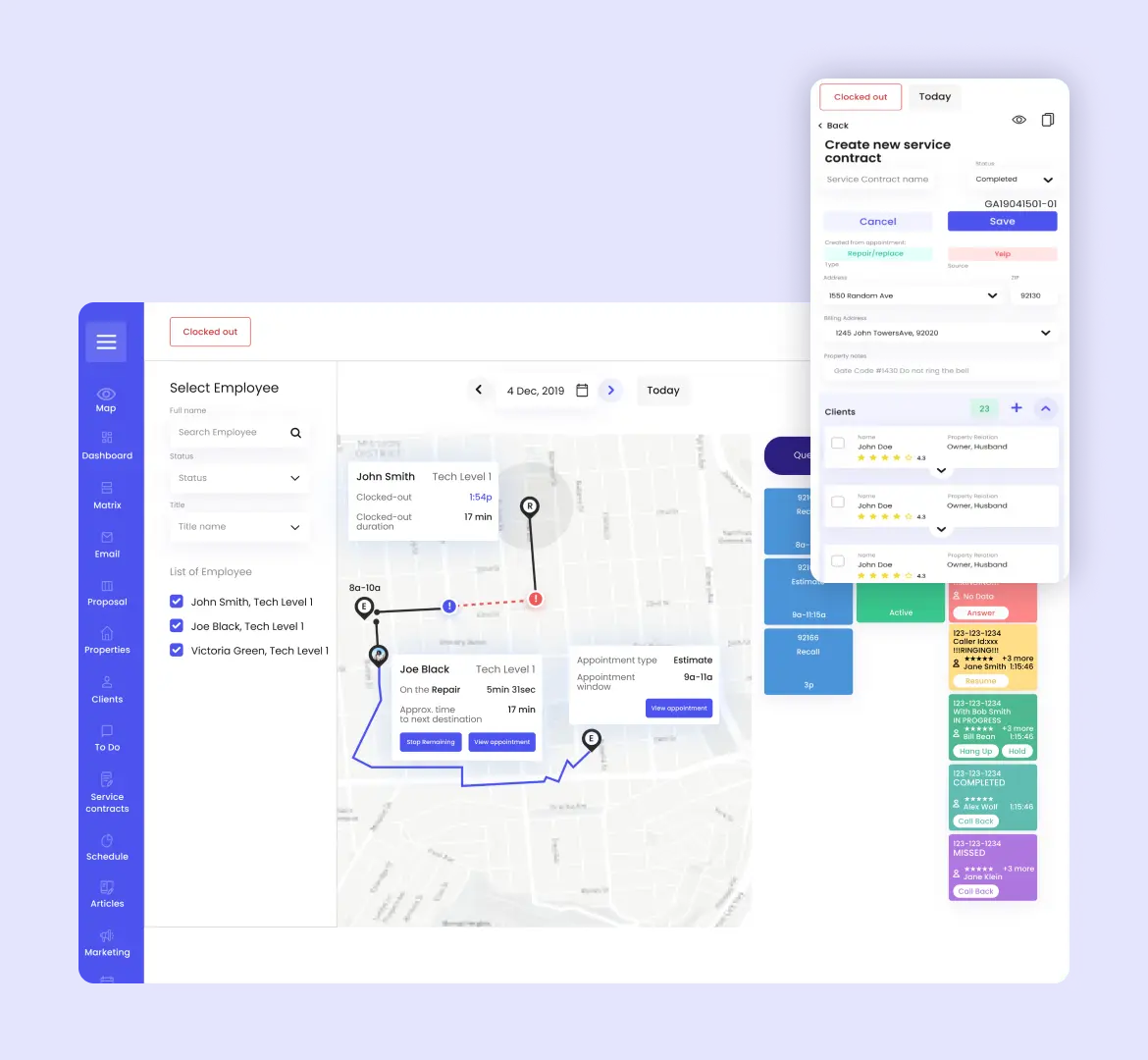
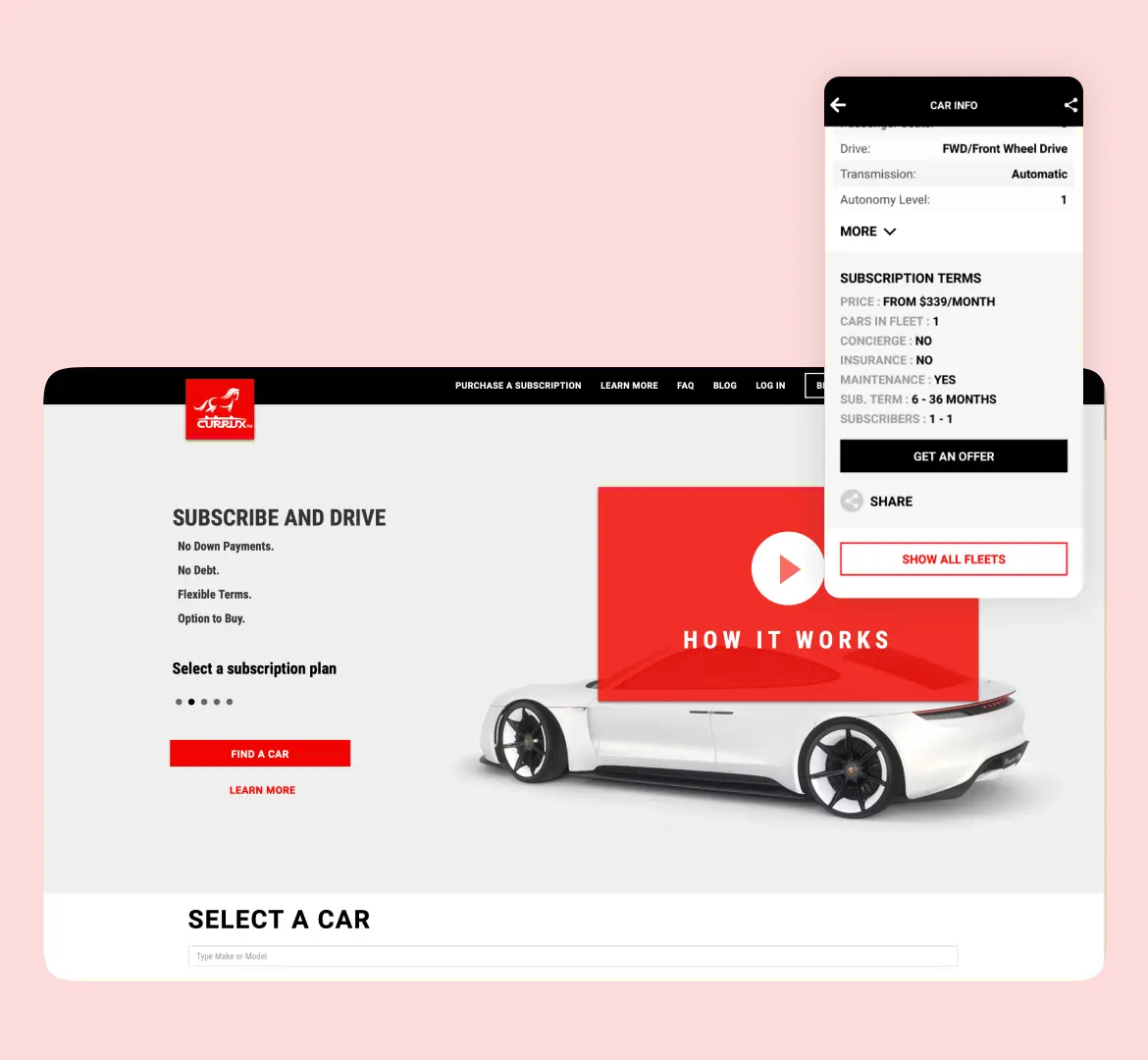
For Orcatec we built an all-in-one field service platform, web and mobile, with many integrations to tools the business already used, so field teams no longer switch between apps. We also built Currux, a marketplace to rent, lease or subscribe to a used car, which grew from a website with a request form into a mobile rental app.

Tell us where the double entry happens

Point us to the step where people retype data between systems. We will scope software that removes it and show how it fits your current tools.

What happens next

  1. 1
    Tell us where you are

    Describe the product, what exists today, and what it needs to do next. Ask for an NDA on the form if you want one first.

  2. 2
    Hear back from us

    We come back with questions or a suggested next step, and talk it through on a call if that helps.

  3. 3
    Agree on the first step

    An engagement model, and what we need to give you a reliable estimate.

No obligation. NDA available.