Mobile App Development · Seattle, WA

Mobile App Development in Seattle

Seattle users have high expectations for apps, because many of them build software for a living. Our team handles mobile app development in Seattle for consumer brands, marketplaces, delivery operators and digital health teams, working remotely, and we focus on the details that decide whether people keep an app on their home screen.

  • Native-feeling iOS and Android apps for picky consumers
  • Courier and driver apps for routes from SoDo to the suburbs
  • Subscription billing that behaves correctly on both stores
How we start Mobile App Development for Seattle
  1. 01 Discovery call
  2. 02 Scope and estimate
  3. 03 Design and prototype
  4. 04 Build and test
  5. 05 Store release

Building for a city of demanding app users

In Seattle the people testing your beta are often engineers, designers and product managers from the big tech campuses in South Lake Union and across the lake. They notice a laggy scroll, a confusing permission prompt or a checkout that asks for the same address twice, and they leave a review about it. Consumer brands, marketplaces and health startups here know this, so they ask for apps that feel native on each platform rather than a website wrapped in a shell.

The other half of Seattle app work is less glamorous and just as demanding. Goods arrive through the port, move through warehouses in the Kent Valley and reach doorsteps across a hilly city with bridges and constant traffic. Couriers need apps that handle rerouting, photo proof and spotty signal under heavy cloud cover, and dispatchers need to see it all live. We build both kinds of products, and we spend discovery working out which details matter most to your users before the first screen is designed.

Typical mobile app development projects in Seattle

01

Shopping app for a direct-to-consumer brand

Shoppers browse drops, save sizes, check out with Apple Pay or Google Pay and get back-in-stock alerts. Loyalty points and order history sync with the brand’s commerce platform, so the app and the website never disagree about what a customer bought.
02

Peer-to-peer rental marketplace

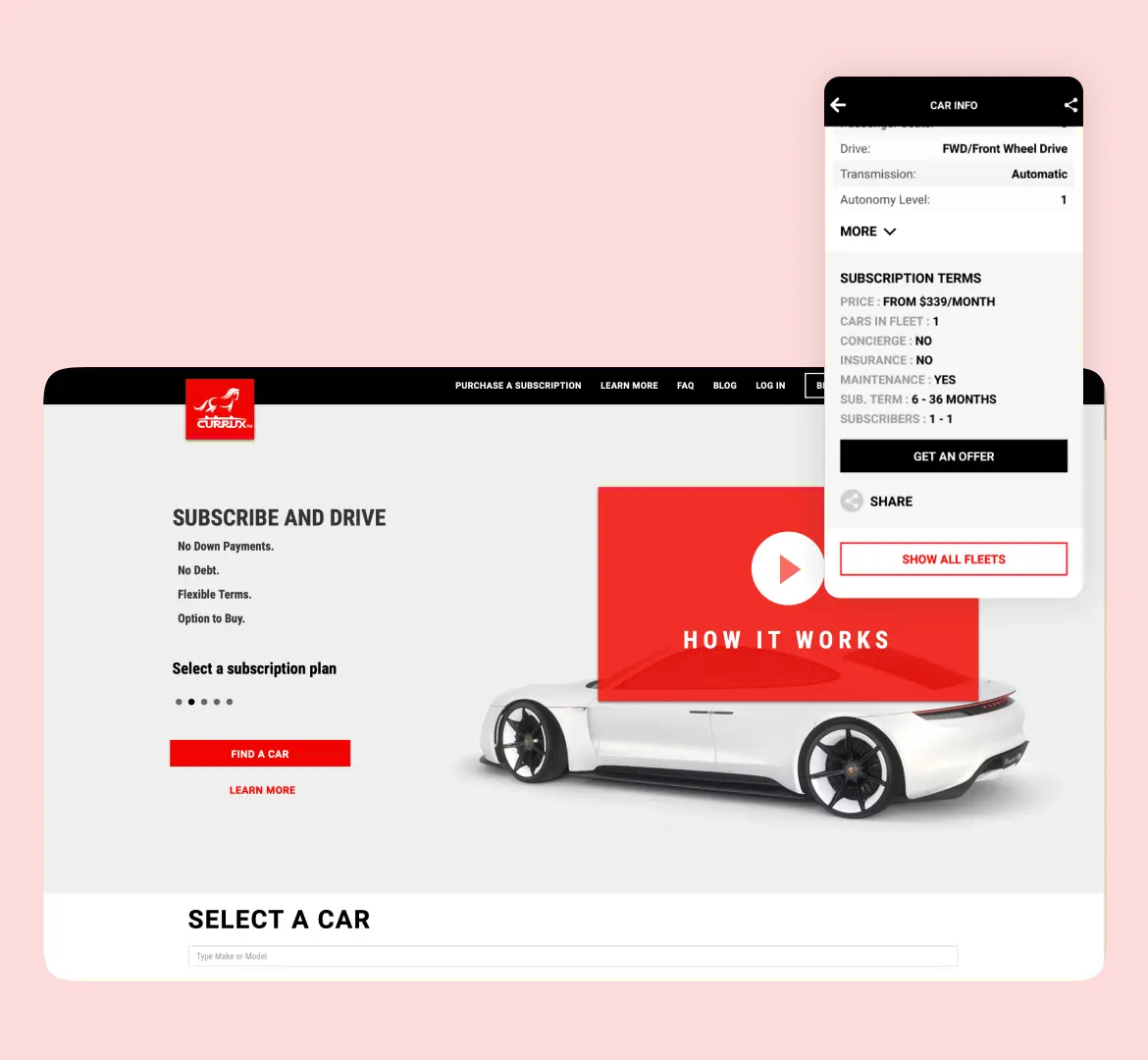
Owners list items, renters book dates and pay a deposit, and both sides rate each other afterward. Our closest case is Currux, a marketplace to rent, lease or subscribe to a used car that started as a website with a request form and grew into an app where a car is rented in minutes.

03

On-demand fitness subscription app

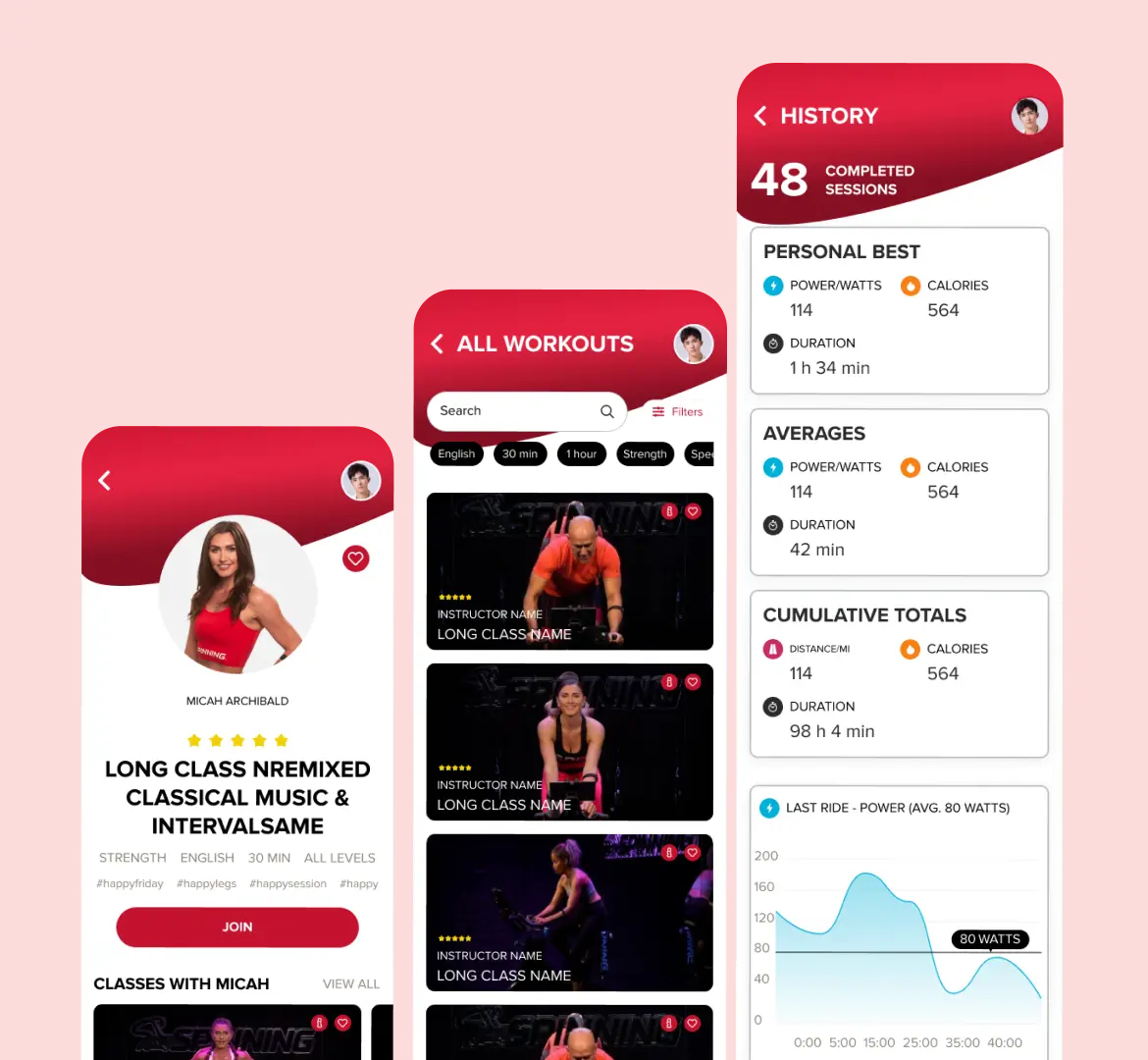
Members pick classes, follow programs and manage plans on iOS and Android. For Spinning we worked on apps that stream indoor cycling classes filmed by master instructors in Los Angeles, and the client reports subscriber growth and low churn.

Seattle mobile app development pricing

You pick a package and we fix its price after discovery, including the store submission work for both platforms. If you want ongoing releases after launch, we scope that as a separate retainer.

Package Proof of concept MVP Market ready Enterprise
Price From $2,400 From $9,600 From $24,000 From $48,000
Typical timeline 2–4 weeks 2–4 months 4–7 months 7+ months
How Seattle clients use it A tappable prototype on real phones to test the core flow with a handful of target users A first store release on iOS and Android with sign-up, the main feature and in-app payments A polished consumer app with push campaigns, analytics, referrals and accessibility checks A multi-sided app family for customers, couriers and support staff, with SSO and monitoring

Technologies

  • Swift, SwiftUI
  • Kotlin, Jetpack Compose
  • Flutter
  • React Native
  • Node.js, Laravel, Python
  • Firebase, AWS, Google Cloud
  • Stripe, Apple Pay, Google Pay
  • OpenAI and other LLM APIs
Collaboration

Working with Seattle teams

Design reviews, standups and release calls fit into your team’s regular day, since Seattle sits in the Pacific time zone and we keep U.S. business hours. TestFlight and internal test builds land after each sprint, and your product manager can comment right on the build instead of waiting for a slide deck.

Our U.S. operations are facilitated through Orcatec LLC, our trusted American business partner, enabling seamless collaboration with clients across the United States.

Frequently asked questions

Should a Seattle consumer startup build native apps or use a cross-platform framework?

It depends on what the app does. For catalogs, bookings and subscriptions, a cross-platform framework like React Native or Flutter gives you both stores from one codebase with a native feel. For heavy camera work, complex animation or deep health sensor access, native code pays off. We make that call with you in discovery and explain the tradeoff.

Can you build a courier app that copes with Seattle hills, bridges and weak signal?

Yes. The app stores the route, stop details and photos on the device, syncs when coverage returns and never submits the same delivery twice. Dispatch can reroute a driver around a bridge closure, and the app explains the change instead of silently reshuffling stops.

Our telehealth app handles patient data. How do you keep it compliant?

Patient data follows HIPAA rules from the first sprint. Records are encrypted on the phone and on the server, a push notification only says that a new message is waiting, and the back end logs who opened which record. Video visits go through a vendor that offers a business associate agreement, and your compliance reviewer receives a written map of the data flow.

How do you work with a Seattle client when you are not down the street?

We work with Seattle clients remotely during Pacific business hours. You get a project manager, a shared backlog and a fresh test build after every sprint, and your designers can annotate builds directly. Many Seattle product teams already work this way across campuses, so the rhythm usually feels familiar.

What determines the price of a mobile app for a Seattle business?

The biggest factors are the number of user types, payments and subscriptions, real-time features such as tracking, and integrations with your commerce or health systems. Every package, from prototype to enterprise, gets a fixed price after discovery, so you can plan the launch budget without surprises.

Tell us what your users do on their phones

Describe the moment your customer or courier reaches for the app. That single moment is where we start the design, and the scope grows out of it.

What happens next

  1. 1
    Tell us where you are

    Describe the product, what exists today, and what it needs to do next. Ask for an NDA on the form if you want one first.

  2. 2
    Hear back from us

    We come back with questions or a suggested next step, and talk it through on a call if that helps.

  3. 3
    Agree on the first step

    An engagement model, and what we need to give you a reliable estimate.

No obligation. NDA available.