

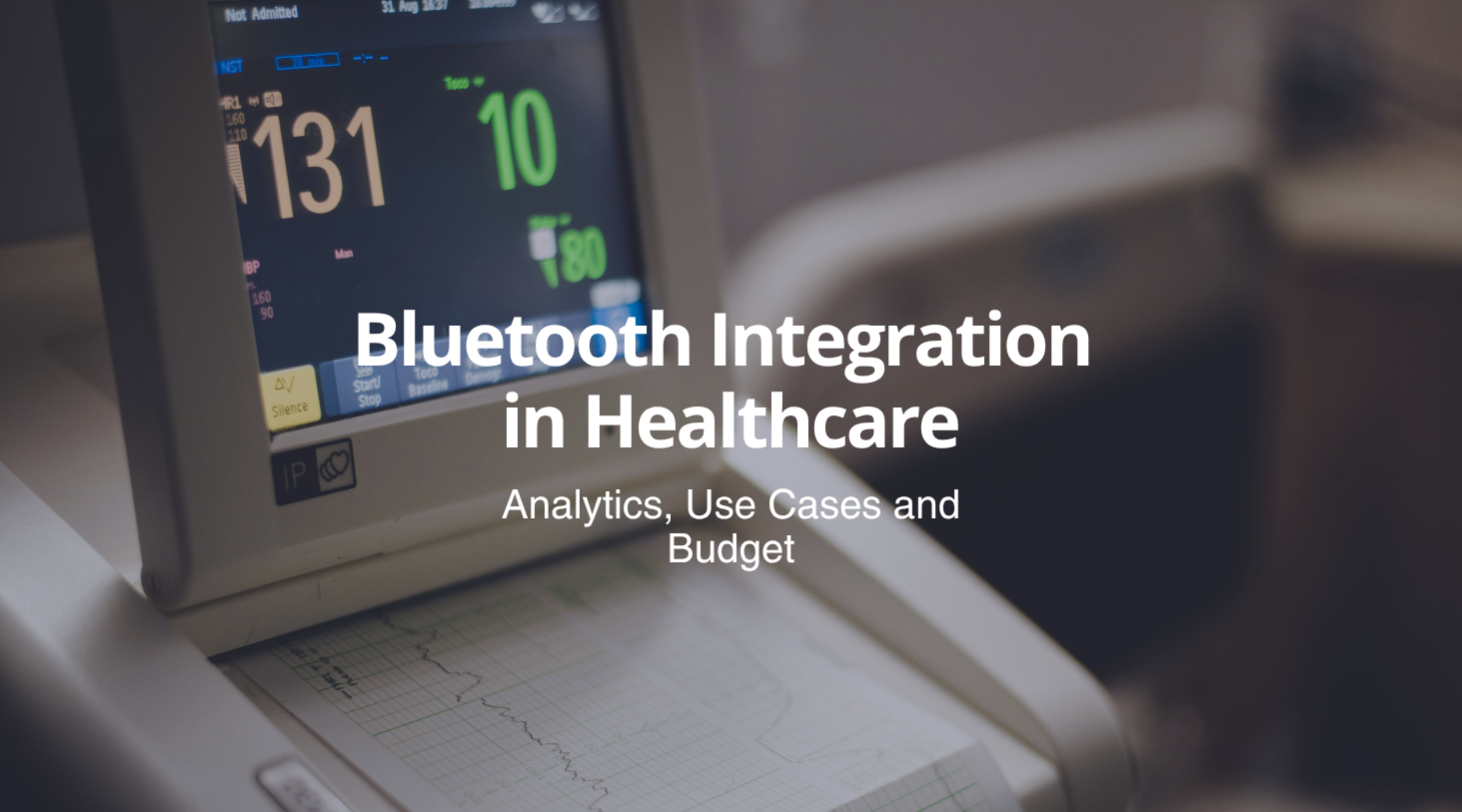
The Rise of Connected Health Ecosystems
Healthcare is undergoing a rapid transformation, driven by growing adoption of networked medical equipment and cloud-hosted SaaS solutions. Whether it is wearable heart rate monitors and glucose meters or hospital-grade smart beds and infusion pumps, all of them now generate a stream of real-time patient data. To network, store, and analyse this data securely in real time, a new generation of healthcare SaaS development services has come on the scene.
New-age SaaS application development is no longer all about managing information; it's about creating an ecosystem in which patients, physicians, and diagnostic equipment work in concert. A single SaaS platform might be able to ingest data from a range of Bluetooth wearables, securely synchronise it via APIs, and present it in a single dashboard accessible to physicians around the world. That's how bespoke SaaS development services revolutionise patient care through technology.
Center to any effective healthcare SaaS solution is an unambiguous SRS (Software Requirements Specification) — a document that links medical regulation, user requirements, and technical design. An experienced SaaS development company relies on the SRS report to ensure that device connectivity, encryption, and compliance (HIPAA, GDPR) are natively built into the platform. This technical openness is essential for any full-cycle software development company building mission-critical healthcare systems.
Building connected health ecosystems also involves end-to-end software development solutions, with all stages, from SaaS MVP development to enterprise infrastructure scaling, being managed by one dedicated partner. In this manner, there is homogeneous architecture, cloud security, and cross-platform compatibility. Whether it is an end-to-end SaaS application development solution or a modular system created by iterative SaaS product development solutions, the goal is the same: making secure, compliant, and reliable connectivity between people and medical devices possible.
JoinToIT, with its experience as a SaaS development company, designs such ecosystems with great care, combining healthcare compliance, real-time data handling, and innovative UX to help organisations create sustainable digital health ecosystems. With a tailored full-cycle software development solution, JoinToIT transforms the complex ecosystem of connected devices into seamless, intelligent healthcare systems ready for global deployment.
Core Bluetooth Use Cases in Healthcare SaaS Development
Bluetooth technology is presently the unseen highway joining the physical and digital worlds of healthcare. Used in healthcare SaaS development, it makes it easy to exchange data between medical devices, wearables, and cloud-based monitoring systems. This creates a networked care ecosystem that drives patient results and operational effectiveness.
Wearables: Real-Time Health Monitoring
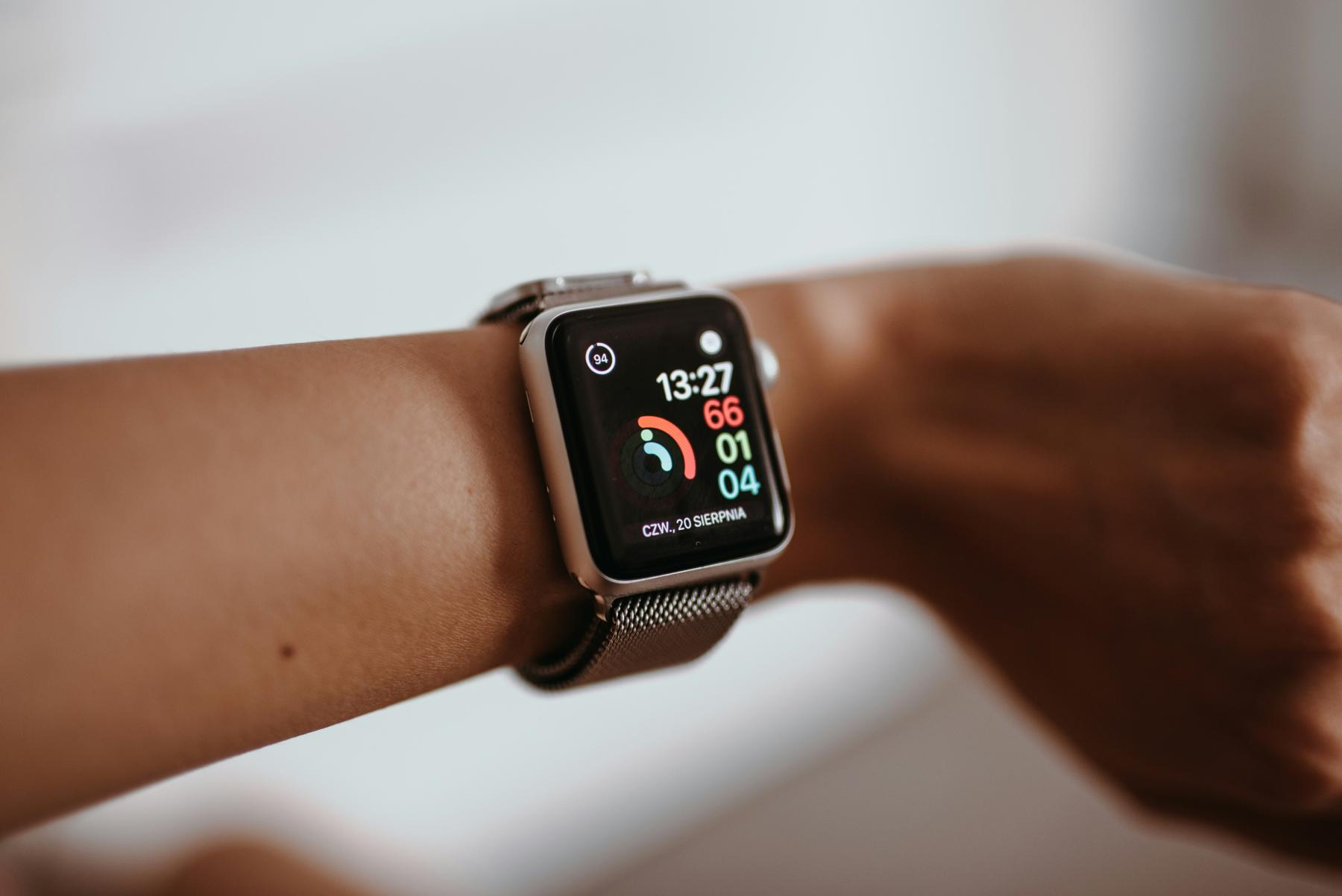
From heart rate and fitness trackers to glucometers, BLE allows wearable tech to transmit valuable health data directly into a SaaS solution. Measurements taken by a patient every day, for example: oxygen saturation, sleep, or heart rate variability, automatically sync into the cloud, where physicians can monitor them in real time. Integration of this type is most often accomplished with custom SaaS development services designed for low-latency syncing as well as HIPAA-compliant storage.
An SaaS MVP development process typically starts with a couple of related wearables and matures into end-to-end solutions for healthcare organisations and clinics. Developers employ BLE protocols and secure APIs to ensure consistency of data across all devices without consuming too much power is the best advantage in wearable technology.
Remote Patient Monitoring and Home Diagnostics
Emerging SaaS application development technologies enable clinics and hospitals to provide care beyond their walls. Patients use Bluetooth-based blood pressure meters, thermometers, or pulse oximeters that send data into a SaaS application. Physicians receive AI-driven dashboards and analytics: triggering alerts, sending notifications, or remotely adjusting treatment plans.
This architecture is created by SaaS platform developers in a full-stack software development company, with secure data transmitted from the device to the cloud. Through providing SaaS product development services, these solutions evolve from MVPs into enterprise-ready platforms with thousands of concurrent connections.
Hospital Devices and Smart Infrastructure
Hospitals are also embracing Bluetooth-enabled devices, from wireless infusion pumps and smart hospital beds to medical equipment inventory tracking. In this case, the function of SaaS software development services is to offer a centralised platform that aggregates hundreds of devices in real time.
Just such complexity necessitates solid architecture design, typically placed into an SRS document so that there is interoperability among the hospital management software and Bluetooth systems. An end-to-end SaaS app development service covers the entire gamut: UI/UX for the health workers, back-end processing, and hardware pairing logic.
The Bigger Picture: From Devices to Ecosystems
Bluetooth integration within healthcare isn't a device or application; it's developing entire connected ecosystems. With full-cycle tailored software development services, medical data from multiple sources can be aggregated, standardised, and brought in through a packaged healthcare SaaS dashboard.
For providers and organisations that invest in healthcare SaaS software development, Bluetooth technology provides preventive care, early detection, and continued patient engagement — with measurable value for patients and providers both.
Cross-Platform Bluetooth Integration in Healthcare SaaS (iOS, Android, Web)
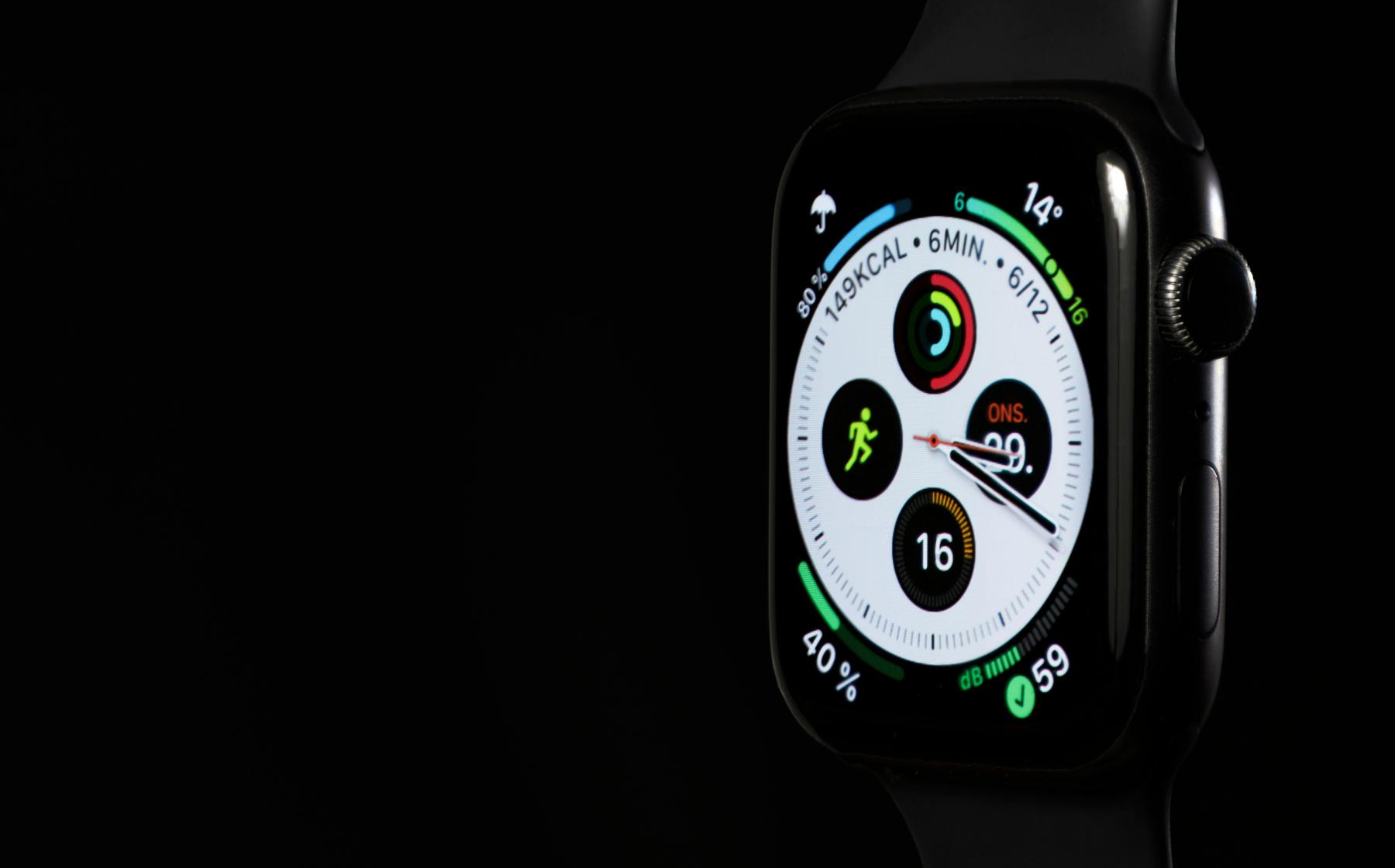
In medical tech, cross-platform Bluetooth integration isn't a luxury; it's the enabler of seamless data transfer between hospital equipment and SaaS applications. Patients use devices on Android handsets, doctors see information on iPads, and hospitals monitor devices on web consoles. The twist is that these different platforms must speak a common language, and that's where highly capable SaaS development services come into the picture.
A SaaS development company would have to create a standard Bluetooth Low Energy (BLE) communication layer that functions uniformly across all platforms. On iOS, programmers employ CoreBluetooth frameworks with mandatory permissions and power-efficient scanning modes; on Android, BLE integration involves background connections and variant hardware behaviours; while on Web, the future Web Bluetooth API provides browser-based access to data with limited cross-platform compatibility across devices.
Unified Architecture Across Platforms
To ensure reliability and performance consistency, SaaS platform developers turn towards cross-platform frameworks such as Flutter, React Native, or Kotlin Multiplatform. That allows teams to implement a shared Bluetooth layer with native modules for low-level communication, ensuring each application, regardless of OS, delivers the same experience.
This architecture is typically established in an SRS document (Software Requirements Specification) in advance during the planning stage. It outlines BLE pairing protocols, data exchange protocols, reconnection processes, and error-handling situations: all critical for life-and-death medical-grade systems where data packets literally are life or death. An experienced full-cycle software development company uses the SRS as a guide that guarantees compliance, consistency, and scalability from MVP to enterprise SaaS deployment.
From MVP to Enterprise Scalability
At SaaS MVP Data, Bluetooth integration begins from a single mobile platform and a few devices, for example, a heart rate monitor or a glucose meter. Once proven, bespoke SaaS development services add to a number of platforms, including secure data synchronisation, real-time analysis.
A full-cycle software development company guarantees that this development occurs smoothly: device pairing, data encryption, cloud synchronising, and UI layers are brought together under one architecture. What results is a cross-platform SaaS system that acts consistently whether accessed from an Android app, an iPad, or a hospital's web dashboard.
How JoinToIT Delivers Seamless Connectivity
As a full-cycle software development company, JoinToIT develops healthcare platforms in which the presence of Bluetooth goes unnoticed to the end user but is flawless in execution. By integrating SaaS application development with a deep understanding of BLE and cloud connectivity, the team offers secure cross-device data transmission, low latency, and medical security standard compliance.
From SaaS MVP to enterprise-wide roll-out, JoinToIT's engineers handle every step of development, creating scalable, resilient Bluetooth-driven ecosystems linking healthcare in a truly cross-platform way.
How Bluetooth Healthcare SaaS Platforms Are Built and Cost
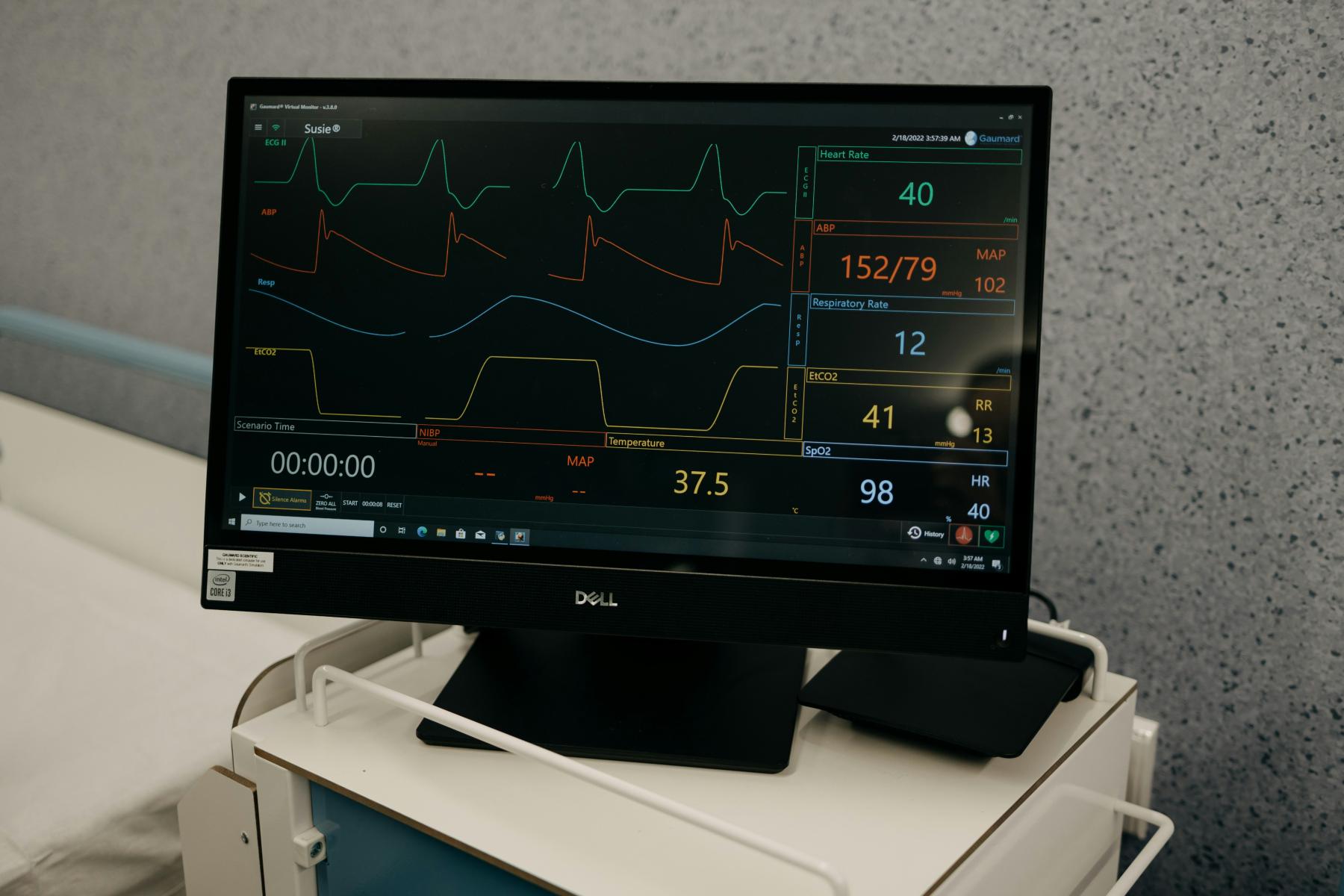
To understand the operation of Bluetooth-powered SaaS apps in a healthcare environment, let’s look at a practical example: an application to monitor remote patients that uses wearable heart rate sensors and glucometers and connects them to a real-time hospital dashboard.
This is not a single app; it's an IoT, cloud, analytics, and security multilayered stack. Its architecture defines technical reliability and overall healthcare SaaS development cost.
Example: Clinic Remote Monitoring Platform
A mid-sized healthcare provider wants to track 500+ patients using Bluetooth wearables.
A single BLE-based device (glucose meter or heart rate sensor) per patient transmits data to a mobile app, the app transferring it to a cloud dashboard for doctors.
There is a requirement for a bespoke SaaS architecture with four core layers:
-
Device Layer (Bluetooth Integration)
BLE pairing logic, secure data transfer, and reconnection handling.
– Rolled out via local SDKs for iOS (CoreBluetooth) and Android BLE stack.
– Estimated cost: $10,000 – $18,000
-
Cloud Sync Layer
Data pipeline via MQTT/WebSocket for real-time syncing, REST API for analytics.
– HIPAA-compliant AWS/Azure infrastructure with scale logic and encryption.
– Estimated cost: $15,000 – $25,000
-
Analytics Layer
Real-time processing and dashboards for clinicians (AI-based anomaly detection).
– Done using Python/Node.js and embedded within a custom web portal.
– Estimated cost: $10,000 – $20,000
-
User Layer (Web & Mobile)
Physician web admin panel + staff and patient cross-platform apps.
– Developed with Flutter or React Native for uniform UX.
– Estimated cost: $15,000 – $25,000
Total Development Estimate
|
Stage |
Description |
Approx. Cost (USD) |
Duration |
|
SaaS MVP Development |
Prototype with one device type + cloud sync |
$15,000 – $25,000 |
2–3 months |
|
Full-Cycle Development |
Cross-platform apps, cloud infrastructure, analytics, compliance |
$35,000 – $65,000 |
4–6 months |
|
Enterprise-Scale Deployment |
Advanced AI analytics, 1K+ devices, multi-tenant SaaS |
$70,000 – $130,000 |
6–9 months |
Key Takeaway
Engaging a Bluetooth-driven healthcare SaaS solution costs between $30K and $150K based on functionality and scale.
But with the right SaaS development company, such as JoinToIT, healthcare professionals are provided with a future-proof, secure, and compliant solution that unifies devices, data, and doctors into one smart health system.
Security, Compliance & Data Integrity in Healthcare SaaS Development
Compliance and security in healthcare SaaS development are not nice-to-haves, but the foundations of patient trust and system dependability.
Every Bluetooth-enabled medical device that sends information to a cloud-based SaaS platform must adhere to strict regulatory frameworks and encryption requirements. That's why experienced SaaS development companies treat data protection as a fundamental architectural tenet, not an afterthought.
Encryption and Secure Communication
Bluetooth Low Energy (BLE) connections, while effective, must be protected with robust security levels. Encryption methods during device pairing, including AES-256 and Elliptic Curve Diffie-Hellman (ECDH), are implemented to prevent unauthorised eavesdropping. Once data is in the cloud, TLS 1.3 encryption and authentication via tokens offer end-to-end security.
In end-to-end projects, SaaS software development services apply the security measures at both the server and the device level to safeguard the entire communication pipeline from sensor through to dashboard against compromise.
Regulatory Compliance: HIPAA, GDPR & Beyond
Compliance is at the heart of healthcare SaaS development.
For US-based systems, the Health Insurance Portability and Accountability Act (HIPAA) governs patient information (PHI) storage, transmission, and access. In international markets and the European Union, the GDPR establishes additional regulations for data ownership and privacy rights.
A capable full-cycle software development company creates an SRS document (Software Requirements Specification) that transparently defines compliance milestones, so that every data flow, encryption level, and API call adheres to these regulations.
For SaaS global deployments, JoinToIT also considers the ISO 27001 and ISO 13485 standards, which are crucial for compliance certification of medical device software.
Data Integrity and Auditability
Data integrity refers to the case where a device records exactly what clinicians see in their dashboards. To achieve this, bespoke SaaS development services incorporate integrity checking features, ranging from timestamping and checksum checks to immutable audit trails.
Such systems enable medical organisations to log every data point, traceable during audits or clinical audits. Immutable logs are stored in secure cloud containers, with full traceability for insurance reporting and regulatory compliance.
Secure-by-Design: The JoinToIT Method
JoinToIT employs a secure-by-design methodology for all SaaS development services. It means encryption, compliance, and access control from the very first line of code.
With end-to-end software development solutions, JoinToIT developers create scalable cloud architectures where every API endpoint, BLE connection, and data sync is monitored, logged, and verified.
Key Takeaway
Security isn't merely a compliance matter; it's an investment in trust and sustainability in the long run.
Healthcare organisations that choose SaaS development companies with proven experience working with encryption, regulatory models, and cloud security gain not only peace of mind but also a competitive edge in the connected health arena.
Real-Time Analytics and Cloud Integration
In today's healthcare, data is almost useless if not processed and interpreted in real-time. Bluetooth-connected medical devices, ranging from heart rate monitors to blood glucose monitors, generate a continuous flow of patient data. Cloud-based SaaS development services, with this data, make it actionable medical knowledge, enhancing diagnosis, prevention, and patient interaction.
From BLE Devices to Cloud Data Streams
Every reading taken by a hospital or a Bluetooth-wearable device is passed through a SaaS platform into a secure cloud infrastructure. There, SaaS application development-reliant real-time processing streams clean, normalise, and categorise incoming measurements. Physicians can see accurate, real-time data on dashboards, checking a patient's heart rate, say, or seeing glucose fluctuations throughout the day.
SaaS platform creators use technology like AWS IoT Core, Google Cloud Pub/Sub, and Azure Event Hubs to manage real-time data streams with zero latency. These platforms support thousands of concurrent connections, which is critical for hospital-wide monitoring systems or large telehealth networks.
Real-Time Analytics and AI-Driven Insights
The next step is making data intelligent. With predictive analytics and machine learning, SaaS development services for the medical community facilitate early identification of abnormalities, e.g., arrhythmia or inappropriately high levels of glucose, and intervene before crises develop.
AI algorithms process historical and real-time data to create customised health profiles and enable preventive treatment.
A Saas development company typically starts with SaaS MVP development, launching core analytics functionality, and then develops the platform to a full-fledged AI-based platform. Such a scalable platform allows healthcare providers to adopt technology incrementally while keeping regulatory acceptability and patient safety intact.
Integration of EHR and EMR
In clinics and hospitals, cloud integration is at its strongest when it integrates into existing platforms like Electronic Health Records (EHR) or Electronic Medical Records (EMR). An end-to-end software development firm makes the SaaS solutions and existing systems interoperable effortlessly with secure APIs and HL7/FHIR standards. This integration creates a single source of truth where patient data, device readings, and clinical findings are unified within a single secure cloud instance.
Scalability and Data Reliability
Real-time analytics should be able to manage a heavy load without compromising reliability.
SaaS application development services use microservices-based architectures and container orchestration (Kubernetes, Docker) to automatically scale in direct reaction to data volume increases. While this occurs, full-cycle SaaS application development services implement redundancy and failover features to assure availability in high-stakes healthcare environments.
JoinToIT's Methodology: From Data to Decisions
Being a full-cycle software development company, JoinToIT creates healthcare SaaS systems where Bluetooth data, AI analytics, and cloud integration work in perfect harmony. By combining SaaS development skills with real-time streaming technology, JoinToIT empowers device manufacturers and clinics with the potential to turn raw sensor data into life-saving intelligence.
From MVP to enterprise deployment, JoinToIT ensures that every healthcare SaaS platform it develops is secure, compliant, and scalable for large amounts of medical data.
Cross-Platform Tech Stack for Healthcare Bluetooth SaaS Development
Under every reliable Bluetooth-enabled healthcare solution, there is a carefully designed technology stack that guarantees secure communication, scalability, and cross-platform uniformity.
Choosing the right set of mobile, backend, and cloud technologies determines how much a system can handle real-time medical device data without sacrificing on healthcare regulations. In the case of healthcare SaaS development companies, the selection determines the performance-cum-maintainability-cum-cost-effectiveness trade-off in the long term.
Mobile Layer: Cross-Platform BLE Connectivity
To have consistent user experiences on iOS, Android, and Web, SaaS platform developers typically employ frameworks such as:
-
Flutter – well-suited for rapid prototyping and one BLE logic via native channels.
-
React Native – more suited for hybrid coding with existing BLE libraries and community support.
-
Kotlin Multiplatform – most suited for high-performance native components and deep OS integration.
All the frameworks are augmented with platform-specific SDKs like CoreBluetooth (for iOS) and Android BLE Stack in an attempt to provide secure and efficient pairing with the medical devices. A software development company typically writes a common BLE abstraction layer in an effort to prevent code duplication and obtain predictable performance on each platform.
Backend & Cloud Infrastructure
High-performance backend systems and cloud-compliant architecture are required for real-time medical data.
Shared technologies are:
-
Backend: Node.js, Python (FastAPI), or Go for scale data processing.
-
Databases: PostgreSQL for relational data, MongoDB for device metrics.
-
Cloud Providers: AWS, Azure, or Google Cloud with IoT-specific services (AWS IoT Core, Azure IoT Hub).
-
Messaging & Sync: MQTT, WebSockets, and Kafka for low-latency data streams.
SaaS software development services aggregate these tools into HIPAA-ready environments with data encryption, access controls, and monitoring layers. This offers high availability, fault tolerance, and international healthcare standards compliance.
Security Stack
Bluetooth healthcare SaaS security needs to cover the transmission and storage layers:
-
Encryption: AES-256, TLS 1.3, and end-to-end key management.
-
Identity & Access: OAuth 2.0, JWT, and role-based access control (RBAC).
-
Compliance: HIPAA, GDPR, and ISO 27001 certification support.
These security features are provided by customised SaaS development services in a way that all the data points collected via Bluetooth are secure from capture to visualisation.
DevOps & Infrastructure Automation
Modern healthcare infrastructures rely on scalability and reliability through automation.
End-to-end software development services will typically include:
-
Containerization: Docker + Kubernetes for microservices.
-
CI/CD Pipelines: GitHub Actions, GitLab CI, or Jenkins for automated deployment and testing.
-
Monitoring: Prometheus, Grafana, and CloudWatch for system health insights.
Such automation reduces downtime, accelerates updates, and facilitates regulatory compliance in continuous delivery.
Development Cost Overview
|
Stage |
Description |
Estimated Cost (USD) |
Timeline |
|
SaaS MVP Development |
BLE device sync, basic dashboard, secure cloud storage |
$30,000 – $45,000 |
2–3 months |
|
Cross-Platform Expansion |
iOS + Android + Web integration, analytics dashboard |
$55,000 – $75,000 |
4–5 months |
|
Enterprise-Grade SaaS |
AI analytics, multi-tenant infrastructure, full compliance |
$90,000 – $150,000 |
6–9 months |
These are rough estimates depending on device complexity, compliance requirements, and data volume.
Partnership with a SaaS development company specialised in healthcare guarantees risk-free implementation, transparent budgeting, and future scalability.
JoinToIT's Full-Cycle Technical Capabilities
As a full-cycle software development company, JoinToIT offers holistic solutions from SaaS MVP development to large healthcare platforms. The experts integrate technical expertise in Bluetooth transfer, AI analysis, and cloud security to create future-proof systems according to global standards.
With the latest technologies and properly structured SRS documentation, JoinToIT ensures that all its healthcare SaaS development process offerings are stable, compliant, and scalable.