
What Is Bluetooth Middleware?
In the dynamic smart home ecosystem, Bluetooth Middleware represents a layer that invisibly connects devices, applications, and cloud ecosystems. While end users operate through mobile applications or voice assistants for smart home functions, middleware ensures seamless data exchange between sensors, appliances, and control systems, often custom-built by a SaaS development company.
On a very fundamental level, Bluetooth Middleware abstracts the complex world of Bluetooth protocols into manageable APIs and data models through a software bridge. This makes it easier for developers of SaaS platforms and IoT engineers to integrate a variety of devices into one ecosystem-such as linking thermostats, smart locks, and lighting systems into one single mobile dashboard. Rather than developing against a myriad of SDKs and connection types, developers get to build scalable SaaS application development solutions for improving user experience and reducing the maintenance overhead.
This means that from a business perspective, the integration of Bluetooth Middleware within a SaaS product enables startups to deliver reliable, cross-device functionality much faster. Full-cycle software development by JoinToIT covers a wide range of competencies, from SaaS MVP development to device integration, full-cycle custom software development, and post-launch optimisation. This approach accelerates time-to-market while ensuring data security, performance, and long-term scalability.
From the point of view of a hardware solution, middleware-based SaaS development services make quite a bit of sense because flexibility and future-proofing then become the central focus. Adding BLE, Mesh, or LE Audio Bluetooth support is limited to the software layer only and does not require redesigning the hardware itself. This makes companies more agile-one of the main advantages of investing in SaaS product development services and full-cycle app development.
In other words, Bluetooth Middleware is more than just a means of connectivity; it is that very foundation on which full-cycle SaaS application development services can integrate fragmented devices into cohesive, intelligent smart home ecosystems.
How Bluetooth Middleware Powers Smart Home Automation
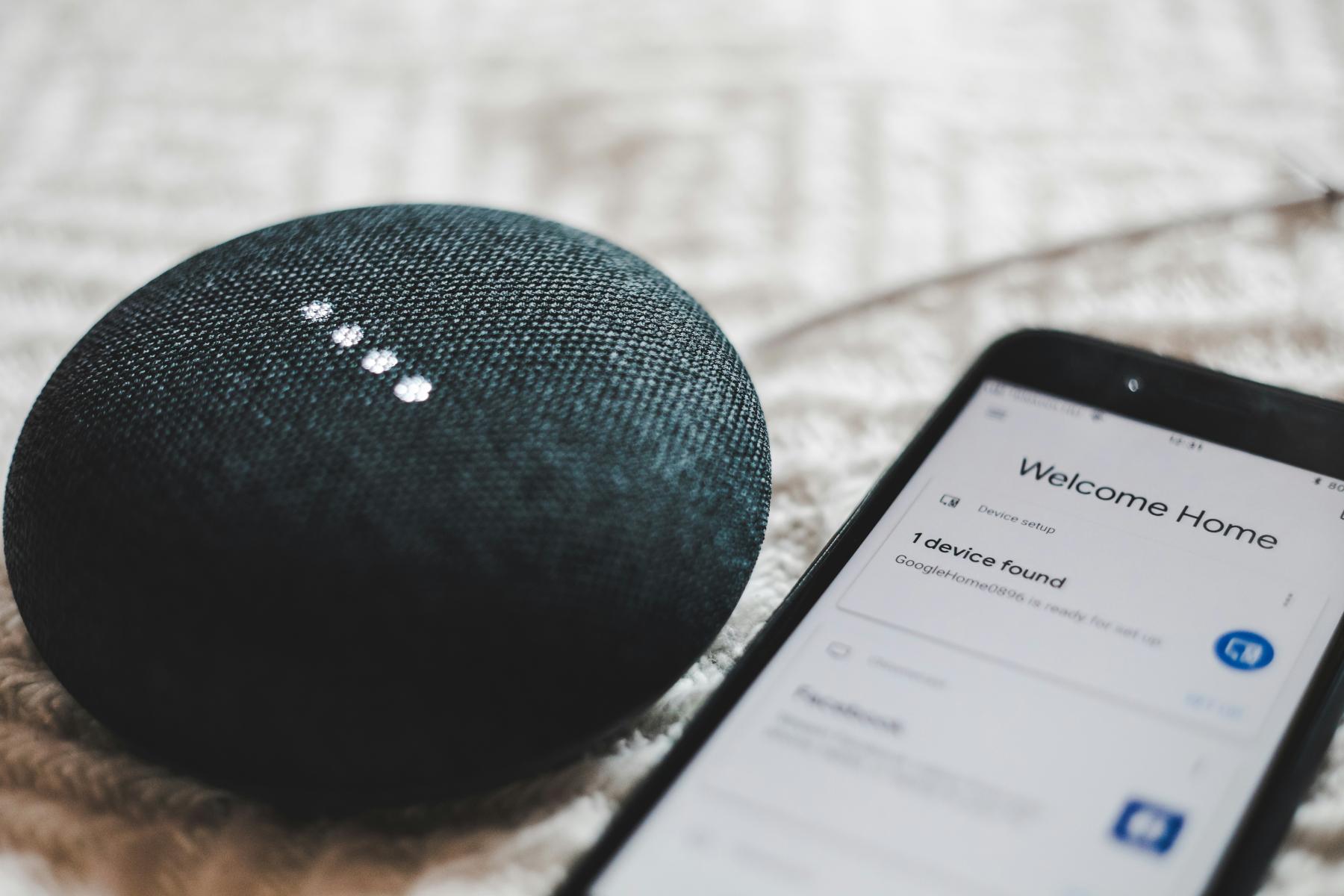
Bluetooth Middleware forms the invisible digital infrastructure of the smart home revolution: from smart lighting to security systems. This software layer enables devices to communicate with each other, coordinate, and function as a unified ecosystem. Meanwhile, with expert SaaS development services, Bluetooth Middleware ensures reliability, speed, and scalability from day one for startups when building IoT platforms.
In traditional architecture, each device would have to communicate via its API or proprietary SDK. This can result in more integration challenges, leading to increased maintenance, which in turn means higher costs. Bluetooth Middleware makes this easy because it provides one single communication framework between the hardware layer and either the cloud or mobile app. Through this abstraction, SaaS app development services can focus on business logic, analytics, and UX instead of low-level Bluetooth stack complexity.
For instance, if a user raises or lowers the room temperature via a mobile application, this command securely passes through middleware, which converts it into Bluetooth instructions for the thermostat. The same system can trigger the lights or motion sensors in real time because of the consistent middleware-driven architecture. It is this reliability that makes the solutions created either by a full-cycle software development company or by a specialised SaaS product development agency stand out.
Moreover, Bluetooth Middleware enables remote management of devices and firmware over-the-air updates, thus making a smart home even more flexible and sustainable. In turn, the appropriate choice of custom SaaS development services will let companies add new devices, integrate APIs of third-party vendors, or scale up to thousands of users without affecting performance.
A combination of Bluetooth Middleware with full-cycle SaaS application development services allows startups and enterprises to design automation systems that are intelligent but will be compatible and adaptive to future technologies. It all fits into the concept of a "connected home," turning it into one cohesive, data-driven SaaS ecosystem powered by interoperability, automation, and seamless user control.
Entertainment and Everyday Comfort: Connecting Speakers, TVs, and Remotes
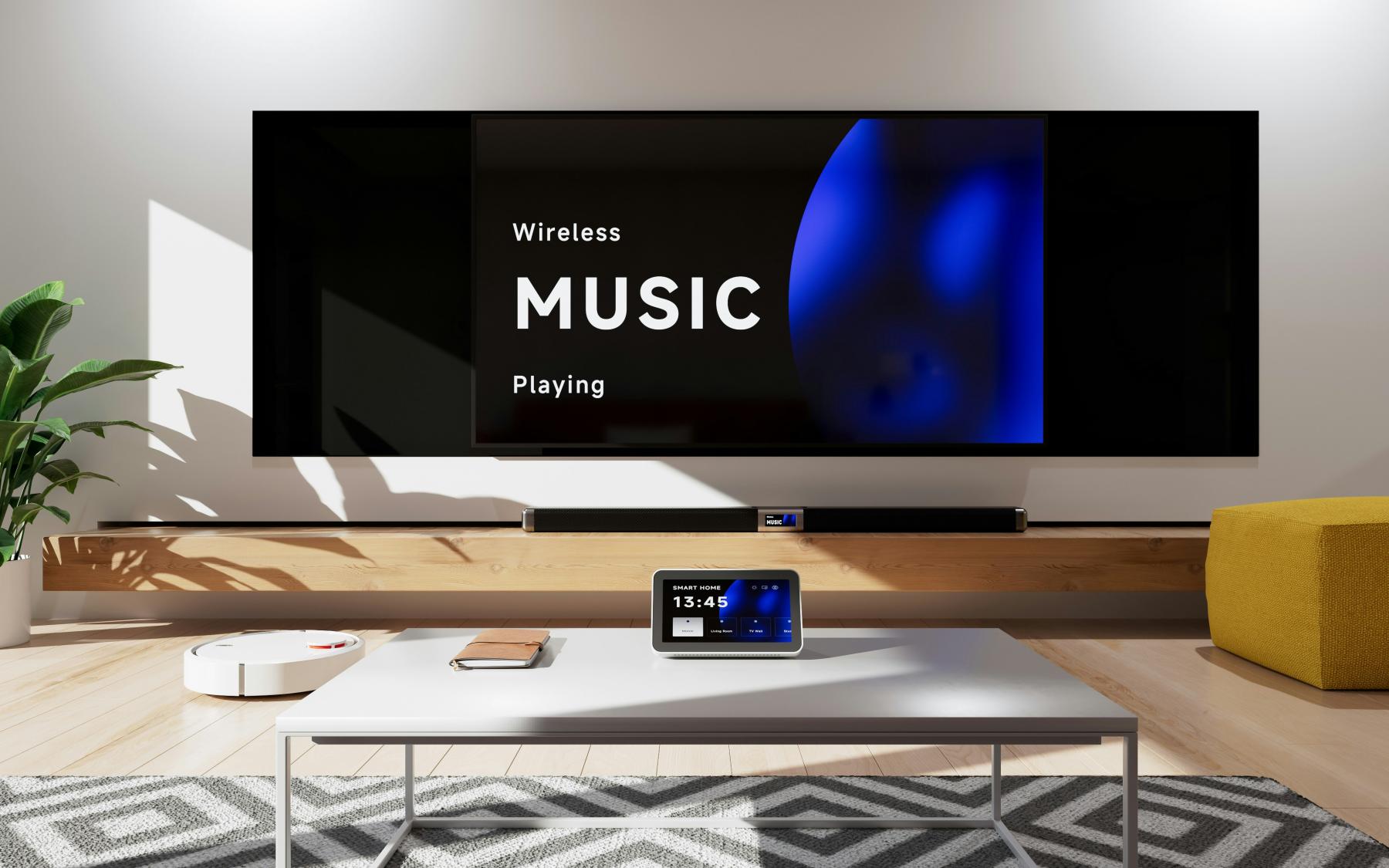
Entertainment and comfort are two essential elements that make for a modern smart home. And both are connected through Bluetooth Middleware, which is unseen. Be it home theaters, sound, climate control, or lighting, it's middleware that makes all those devices interact as an ecosystem. It fills the gap between Bluetooth hardware and the cloud-based control systems developed by SaaS development companies or custom SaaS development services providers.
Entertainment that Syncs Seamlessly
Bluetooth Middleware makes entertainment wireless and personal. One app will drive your smart TV, your soundbar, your Bluetooth speakers, and even gaming consoles-without the need to juggle multiple remotes or pairing screens. Middleware handles device discovery, pairing, and routing so users can focus on the experience.
Imagine you start a movie night, and your smartphone automatically connects to the Bluetooth surround system, turns down the lights, changes the brightness of the TV, and puts everything into "cinema mode." This will be driven by orchestrated movements through SaaS application development and full-cycle SaaS application development services with embedded logic in middleware.
Bluetooth Middleware makes sure controllers, headsets, and adaptive lighting all pull together to ensure lag-free gaming performance. The developer of the SaaS platform can go a step further by developing mobile dashboards or cloud-based analytics that can perform device health and performance monitoring. Be it streaming music, gaming, or binge-watching, middleware creates fluidity and responsiveness in performance.
Everyday Comfort is Simplified
Beyond mere entertainment, Bluetooth Middleware also caters to basic day-to-day routines. Smart homes are not about automation; they're actually about comfort sans the complexity. The moment your morning playlist sounds off, your blinds open up, the lights brighten up, and the coffee machine turns on-all courtesy of the Bluetooth signals managed by a SaaS development agency. The very ecosystem ensures that by the time you leave your house, your entertainment and comfort systems automatically shut down to save energy.
Each of these scenarios could be initiated without physical intervention and managed through one mobile dashboard, if needed via bespoke SaaS development services.
SaaS product development services enable startups to develop smart home applications that will integrate entertainment with lifestyle automation. Full-cycle software development companies guarantee that middleware provides for the reliable connection of all types of devices, including speakers, thermostats, security sensors, and doorbells, within one unified SaaS ecosystem.
The Connected Experience
Combine Bluetooth Middleware with custom SaaS development services, and the daily routine turns into an intelligent, user-oriented experience. Entertainment applications will self-tune to the mood of the consumer, while comfort systems predict needs even before they are asked for. Such a mix of entertainment and automation, all powered by Bluetooth Middleware, speaks to the next generation in smart living: seamless, adaptive, innovatively powered.
Security in Motion: Bluetooth-Based Cameras, Sensors, and Doorbells
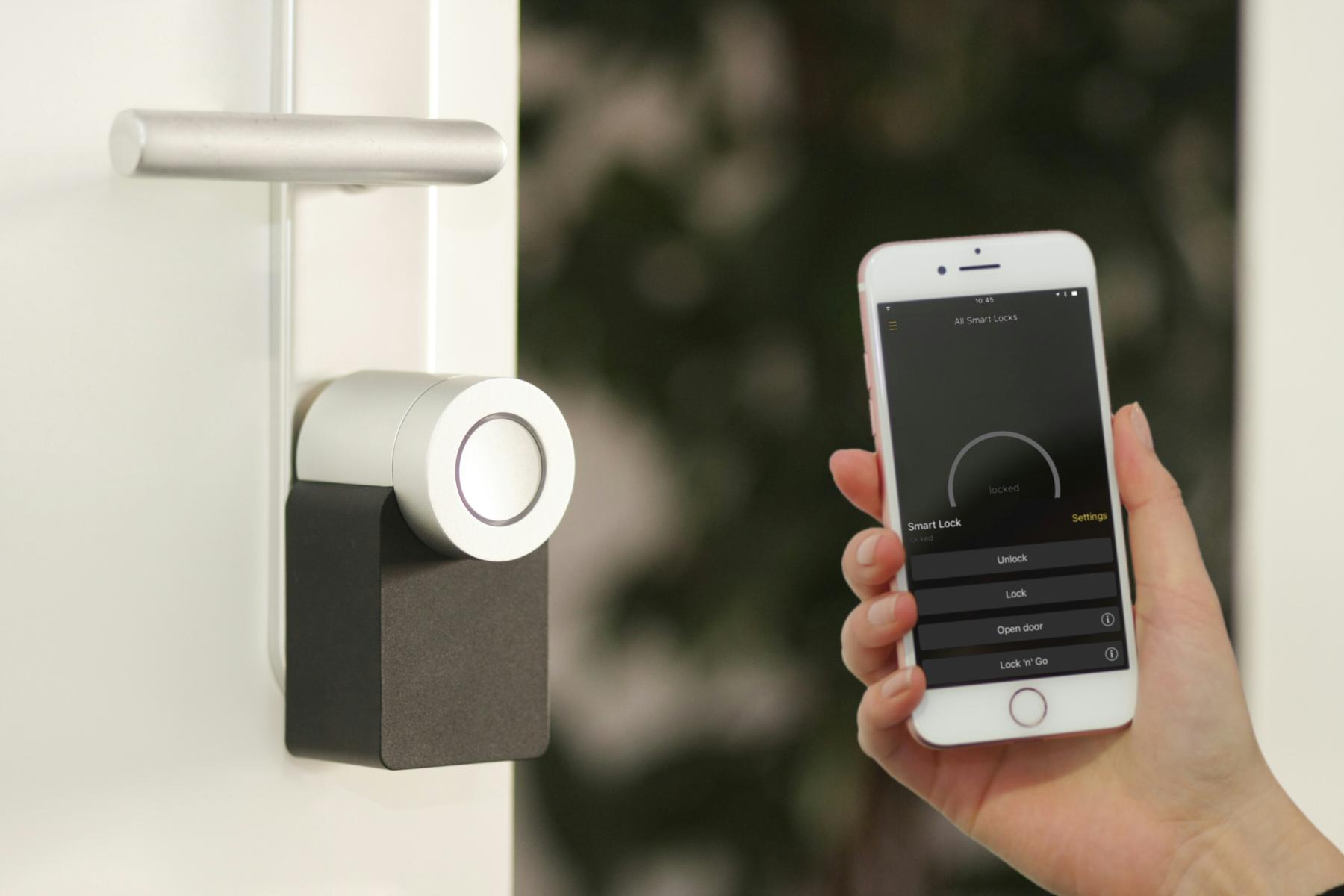
In this ecosystem, security in the smart home is only as strong as the technology that connects. Bluetooth Middleware has emerged as the invisible guardian of smart cameras, motion sensors, and doorbells by managing data flow, pairing, and communication across the network. Ensuring instantaneous, secure responses from devices while staying energy-efficient and reliable.
Real-Time Protection with Bluetooth Middleware
Most traditional security systems rely on either Wi-Fi or wired connections and consume a great deal of power and latency. Meanwhile, Bluetooth Middleware takes advantage of the efficiency in BLE to provide low-latency, high-efficiency communication, which allows immediate wake-up of cameras in response to detecting motion, triggering lights or alarms by sensors, and streaming of video in real time by doorbells.
With SaaS development services, startups can implement middleware into cloud-connected applications that collectively manage security devices. One dashboard, which can be developed with SaaS app development, can manage real-time notifications of events, video playback, and firmware updates across multiple homes or locations. Middleware is the translator between edge devices and the SaaS backend to enable secure data synchronisation and event orchestration.
Smart Event Management and Data Flow
Bluetooth Middleware will also allow for intelligent event management, such as:
-
In case a motion sensor detects movement, middleware prioritises the event and sends instant push alerts.
-
If the doorbell camera identifies a familiar face, a system featuring a custom SaaS development service logic automatically unlocks the door.
-
When a camera battery runs low, for example, middleware reports it to the SaaS development company's cloud dashboard, where a notification is triggered to the user.
Such orchestration is made possible by the integration of AI-driven analytics, event prioritisation, and remote access management by SaaS platform developers and full-cycle software development companies.
Cloud Security and Scalability
Full-cycle SaaS application development service for security data encryption, storage, and analysis in the cloud allows homeowners to view camera feeds or motion histories remotely, while the companies get insights into the performance of their devices. At Middleware, an abstraction layer ensures that every sensor-from BLE locks to smart cameras-speaks with a uniform and secure protocol.
In other words, Bluetooth Middleware turns isolated security devices into a proactive, intelligent protection network. Paired with expert SaaS product development services, it provides real-time safety, cloud integration, and user trust as building blocks for the next generation of secure, connected homes.
Building a Scalable Bluetooth App Ecosystem
Behind every successful smart home platform, there is one defining principle: scalability. To move from a simple connected prototype to a fully featured ecosystem, startups need to blend Bluetooth Middleware with a robust cloud and SaaS architecture. This way, devices, applications, and users can grow together, all powered by seamless integration and automation.
From MVP to Market
It includes SaaS MVP development, where core Bluetooth functionality is established: pairing, data exchange, and real-time control. This is given a grounding with the abstraction of the complexity within the Bluetooth stack and compatibility of several devices through middleware. With the help of a full-cycle software development company, a startup may very quickly validate its concept, get feedback, and iterate with ease.
During this phase, SaaS application development teams focus on creating a very smooth user experience through intuitive dashboards showing device activity, notifications, and performance metrics. The right custom SaaS development services ensure Bluetooth-connected products work seamlessly with end users.
Expanding the Ecosystem
When the MVP proves its value, Bluetooth Middleware allows for effortless scaling. Adding smart locks, thermostats, or entertainment systems is a matter of configuration, not redesign. Middleware handles all communication protocols while developers on the SaaS platform extend backend logic to handle more users and data streams.
At this stage, SaaS development services become very important for the creation of API gateways, analytics modules, and automation layers that unite devices into one ecosystem. The full-cycle SaaS application development service turns this platform from a single-purpose app into a scalable, data-driven environment that supports cross-device interactions and AI-powered automation.
Sustaining Scalability and Performance
A reliable ecosystem also requires long-term maintainability. SaaS product development services ensure version control, over-the-air updates, and dynamic load balancing. For instance, middleware updates can be done so as to add support for new Bluetooth standards such as BLE Mesh or LE Audio without affecting existing users. This makes the product future-ready and a lot easier to monetise through subscription models, device management tiers, or smart home integrations.
With a SaaS development company like JoinToIT full-cycle software development company specialising in custom SaaS development services, a startup gets the whole roadmap from ideation and MVP to market launch and scaling.
In other words, Bluetooth Middleware turns devices into scalable ecosystems, and SaaS development services convert that ecosystem into a successful and intelligent product.
Estimating the Budget for Bluetooth Middleware SaaS Development
Building a Bluetooth-enabled SaaS ecosystem requires careful budget planning. The total cost depends on the project’s complexity, number of supported devices, and desired level of automation or intelligence.
1. Core Development & Infrastructure
Every Bluetooth SaaS solution starts with a solid foundation:
-
Backend & API development: $15,000–$30,000
-
Cross-platform mobile/web apps (Flutter or React Native): $20,000–$40,000
-
Cloud hosting & database setup (AWS, Firebase, or GCP): $2,000–$6,000
2. Bluetooth Integration Layer
Bluetooth middleware handles device pairing, data synchronisation, and communication logic.
-
Basic BLE sync (single device): $4,000–$8,000
-
Advanced multi-device middleware with background sync: $10,000–$15,000
In a smart home context, this may include sensors, light controllers, or smart plugs: each requiring stable BLE pairing and real-time event updates.
3. Security, Compliance & Testing
Secure connectivity ensures user trust and device reliability.
-
Security & encryption setup: $3,000–$6,000
-
Privacy compliance (GDPR or region-specific): $5,000–$8,000
-
QA & device testing: $4,000–$8,000
4. Design, UX, and Maintenance
An intuitive interface and smooth device onboarding improve adoption rates.
-
UI/UX design: $2,000–$6,000
-
Ongoing maintenance (yearly): 15–20% of total development cost
5. Typical Budget Ranges
|
Project Type |
Estimated Cost (USD) |
|
MVP (1–2 Bluetooth devices) |
$30,000–$50,000 |
|
Multi-device SaaS with analytics |
$60,000–$90,000 |
|
Enterprise smart home |
$100,000–$150,000 |
6. Example: Smart Home Startup “AirLite”
Imagine a startup called AirLite, which builds a simple smart home app connecting Bluetooth air quality sensors and smart humidifiers.
The goal: help users monitor temperature and humidity in real time, and automatically switch devices on/off to maintain optimal air conditions.
Estimated cost breakdown:
|
Component |
Description |
Budget (USD) |
|
Backend + API |
Lightweight Node.js backend + Firebase integration |
$10,000 |
|
Mobile App (Flutter) |
iOS/Android app with BLE pairing and charts |
$18,000 |
|
BLE Middleware |
Connects sensors and sends control signals |
$8,000 |
|
Cloud & Hosting |
Firebase hosting + analytics setup |
$3,000 |
|
UI/UX Design |
Simple, clean mobile interface |
$4,000 |
|
QA & Testing |
BLE stability and device testing |
$5,000 |
|
Total |
$48,000 |
This ~$50K budget will allow for a fully functional MVP from AirLite capable of supporting up to three Bluetooth devices per user, syncing of environmental data to the cloud, and daily air quality analytics.
The integration could later be updated for voice control, AI-based humidity adjustment, and integration with Alexa and Google Home.
7. Intelligent Budget Approach
-
Begin with a lightweight MVP that connects one or two core devices.
-
Utilise cross-platform frameworks for cost efficiency and reduction in development time.
-
Develop a modular Bluetooth Middleware that will scale for the future.
-
Integrate cloud analytics early to support SaaS monetisation.
Final Thoughts
- Bluetooth middleware acts like an invisible bridge between users, devices, and the cloud.
- Estimating the right budget isn't just about how many hours of development are needed, but it's about building a foundation to scale with your vision.
- With thoughtful investment and smart architecture, startups like AirLite can grow from a simple connected app into a complete smart home SaaS ecosystem.
JoinToIT Expertise in Bluetooth Middleware SaaS Development
At JoinToIT, we help startups and enterprises design, build, and scale Bluetooth-powered SaaS platforms, from MVP prototyping to full-scale cloud ecosystems.
Our team specialises in cross-platform application development, BLE integration, and secure middleware architecture that seamlessly connects devices.
From Connectivity to Intelligence: The Future of Bluetooth Middleware
For years, Bluetooth Middleware has remained the backbone of wireless communication between devices, securely connecting smart home systems and making sure they work in harmony. Next-generation middleware, though, is not about connectivity; it's about intelligence. The future will be about ecosystems that learn, predict, and adapt-ecosystems powered by SaaS development services and AI-driven automation.
From Data Exchange to Context Awareness
Modern Bluetooth Middleware is turning into a cognitive layer that can interpret device behavior and context in real time. Imagine a smart home system, knowing your habits: it turns the temperature up or down, triggers light, or music, based on movement data, Bluetooth proximity, and user preference. These are experiences created by SaaS product development services in which AI, data analytics, and user modelling are integrated right into the middleware layer.
This transition opens new opportunities for startups. A SaaS development company can implement machine learning algorithms into the middleware layer of modules that will grant BLE-equipped devices the possibility to dynamically forecast a user's needs and optimise their performance on their own. Using custom SaaS development services, developers will be able to create self-learning automation scenarios, such as anomaly detection in energy consumption or enhanced security based on motion patterns.
Cloud Intelligence and Full-Cycle SaaS Integration
As Bluetooth ecosystems scale, intelligence necessarily needs to extend into the cloud. The trend is that middleware increasingly acts as a local decision-making layer that aggregates and processes insights into a publishable state across devices from the cloud platforms developed by using full-cycle SaaS application development services. It ensures a hybrid model that combines ultra-fast responses locally with advanced analytics remotely mix of the best edge and cloud computing.
Developers of SaaS platforms are integrating API gateways, edge orchestration, and predictive analytics to make Bluetooth environments more autonomous. With SaaS MVP development, teams can prototype these kinds of smart capabilities in record time, test user adoption, and scale into enterprise-grade products.
Why Smart Home Startups Need Bluetooth Middleware
Smart home startups often face challenges of interoperability, latency, and scaling across multiple Bluetooth devices. That is where middleware comes into play: normalising how devices talk to one another and providing real-time APIs to cloud integration. In this regard, a startup dealing with its smart lighting platform will no longer need to think about the protocol management at each particular device, but instead easily manage hundreds of bulbs from a single central SaaS dashboard with Bluetooth Middleware.
SaaS product development services help startups achieve faster time-to-market by shifting their focus from low-level engineering to creating a great user experience. A full-cycle software development company may help transform a proof of concept into a scalable SaaS product with analytics, automation, and subscription-based monetisation.
The Road Ahead
The future of Bluetooth Middleware blurs the line between hardware and intelligence. Homes won't just connect devices; they will actually coordinate them, turning raw data into instant insight. Entertainment, comfort, and security will all merge into adaptive experiences where middleware quietly orchestrates everything.
For companies seeking to lead such a transformation, a partnership with a SaaS development agency like JoinToIT translates into access to trusted custom SaaS development services, from idea validation and architecture design to deployment, scaling, and continuous innovation.
It is Bluetooth Middleware, powered by enhanced SaaS development services, which acts as the silent architect shaping the smart homes of tomorrow in an evolution from mere connectivity to intelligence that has already begun.